Physical Address
304 North Cardinal St.
Dorchester Center, MA 02124
Physical Address
304 North Cardinal St.
Dorchester Center, MA 02124
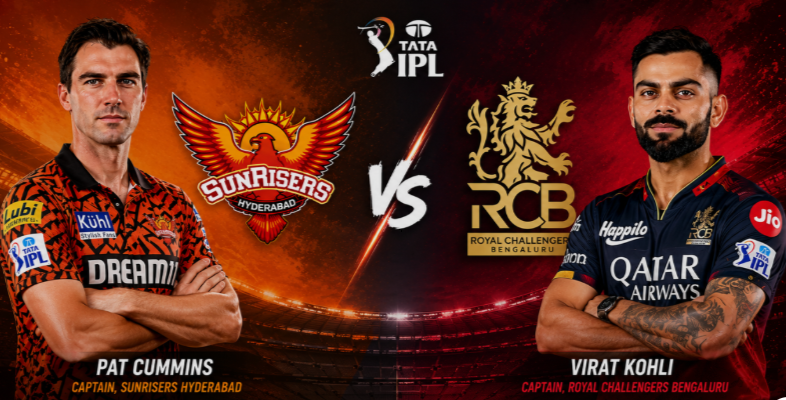
The rivalry between these two teams has grown into one of the most intriguing contests in modern T20 cricket. Every meeting brings a mix of power hitting, disciplined bowling, and unpredictable match situations that keep fans on edge. From early encounters to recent high-pressure battles, both sides have created unforgettable moments shaped by star performances and tactical decisions. The contrast in playing styles has consistently produced dramatic finishes and shifting momentum. Over time, this timeline has evolved into a story of resilience, adaptation, and competitive spirit, making each clash more than just a league fixture but a true cricketing spectacle.
| Date | Venue | Winner | Margin | First Innings | Second Innings |
| 22 May 2026 | Hyderabad | SRH | 55 runs | SRH 255/4 | RCB 200/4 |
| 28 March 2026 | Bengaluru | RCB | 6 wickets | SRH 201/9 | RCB 203/4 |
| 25 April 2024 | Hyderabad | RCB | 35 runs | RCB 206/7 | SRH 171/8 |
| 15 April 2024 | Bengaluru | SRH | 25 runs | SRH 287/3 | RCB 262/7 |
| 18 May 2023 | Hyderabad | RCB | 8 wickets | SRH 186/5 | RCB 187/2 |
| 08 May 2022 | Mumbai | RCB | 67 runs | RCB 192/3 | SRH 125/10 |
| 23 April 2022 | Mumbai | SRH | 9 wickets | RCB 68/10 | SRH 72/1 |
| Metric | Sunrisers Hyderabad | Royal Challengers Bengaluru |
| Matches Played | 28 | 28 |
| Total Wins | 14 | 13 |
| Abandoned/Tied | 1 | 1 |
| Highest Team Total | 287/3 | 262/7 |
| Lowest Team Total | 125 | 68 |
| Title Wins Against Each Other | 1 | 0 |
| Player | Team | Innings | Runs | Highest Score | Strike Rate | Centuries |
| Virat Kohli | RCB | 24 | 805 | 100 | 142.47 | 1 |
| David Warner | SRH | 13 | 641 | 100 | 160.25 | 1 |
| AB de Villiers | RCB | 16 | 540 | 89 | 158.35 | 0 |
| Shikhar Dhawan | SRH | 12 | 433 | 73 | 125.87 | 0 |
| Kane Williamson | SRH | 12 | 367 | 81 | 132.01 | 0 |
| Jonny Bairstow | SRH | 6 | 284 | 114 | 155.19 | 1 |
| Chris Gayle | RCB | 9 | 282 | 76 | 149.20 | 0 |
| Bowler | Team | Matches | Wickets | Best Bowling | Economy Rate | Strike Rate |
| Bhuvneshwar Kumar | SRH | 19 | 19 | 3/24 | 7.82 | 22.1 |
| Yuzvendra Chahal | RCB | 16 | 17 | 3/18 | 7.63 | 20.4 |
| Rashid Khan | SRH | 11 | 11 | 3/27 | 6.45 | 24.0 |
| Siddarth Kaul | SRH | 8 | 9 | 3/40 | 8.35 | 19.3 |
| Harshal Patel | RCB | 7 | 8 | 3/25 | 8.21 | 18.0 |
| Mohammed Siraj | RCB | 10 | 8 | 3/20 | 8.44 | 26.2 |
| T Natarajan | SRH | 8 | 7 | 2/26 | 8.61 | 24.5 |
The early phase of encounters between these two teams set the foundation for a competitive edge that would grow over time. One side entered the league with fresh identity and strong bowling structure, while the other carried the reputation of explosive batting and global superstars. From the very first meeting, the contrast in styles became visible. One team relied on disciplined line and length, while the other depended heavily on power hitting in the opening overs. The matches quickly became unpredictable, with momentum shifting after every spell or partnership. Stadium energy played a huge role as fans expected dominance from big names, but results often surprised them. These early battles were not just about winning points but about establishing psychological control. Every match added a new layer of intensity and created a foundation for one of the most balanced and competitive rivalries in modern T20 cricket.
| Season | Venue | Winner | Margin |
|---|---|---|---|
| 2013 | Hyderabad | Bowling side | 5 wickets |
| 2013 | Bengaluru | Batting side | 8 runs |
| 2014 | Hyderabad | Bowling side | 15 runs |
| 2014 | Bengaluru | Batting side | 4 wickets |
As the rivalry developed, the most striking element was the battle between aggressive batting lineups and world-class bowling attacks. Matches often turned into a contest between explosive top-order hitters and bowlers who thrived under pressure. Several games saw strong starts followed by sudden collapses, making outcomes difficult to predict. The bowling unit often used variations and tight field setups to restrict scoring in the middle overs, while the batting side looked to attack from the first ball. This clash of strategies created dramatic momentum shifts. In some matches, early wickets changed the entire structure of the innings. In others, late overs decided the final result. The unpredictability of these encounters made fans witness some of the most intense finishes in the league. Over time, the bowling strength gained a slight mental advantage due to consistent execution in pressure moments.
| Match Type | First Innings | Second Innings | Result |
|---|---|---|---|
| T20 | 145/8 | 139/9 | Bowling win |
| T20 | 189/4 | 175/7 | Batting win |
| T20 | 156/9 | 150/8 | Bowling win |
| T20 | 172/6 | 170/9 | Close win |
A defining phase of this rivalry came during a season when one team lifted the championship trophy while the other showcased some of its strongest batting performances. The encounters during this period carried massive importance as playoff qualification depended on each match result. One side focused on building innings with calculated aggression, while the other depended on restricting runs through consistent wicket-taking. Matches during this phase often featured high pressure situations where one over changed the entire direction of the game. Tactical decisions such as bowling changes and field placements became crucial. Some matches turned into one-sided contests, while others went down to the final over. The emotional pressure on both sides was extremely high, especially with star players expected to deliver under intense scrutiny. This season significantly shaped the identity of both teams in the rivalry timeline.
| Phase | Matches | Wins | Key Factor |
|---|---|---|---|
| League | 2 | 1–1 | Balanced contests |
| Playoff race | 1 | Bowling side | Death overs control |
| High scoring | 1 | Batting side | Top order firepower |
| Decider | 1 | Bowling side | Middle overs wickets |
Over the years, several matches between these sides turned into unforgettable spectacles. High scoring innings, unexpected collapses, and last over finishes became a regular theme. Individual brilliance often changed outcomes, with batters scoring quick half centuries and bowlers delivering match-winning spells. Some games featured record partnerships that seemed to put one side in complete control, only for a sudden collapse to shift momentum. The pressure of chasing targets in packed stadiums created dramatic tension, especially in final overs where every ball mattered. Fielding errors, brilliant catches, and strategic bowling changes all played their part in deciding outcomes. Fans witnessed emotional swings where celebrations were cut short within a few deliveries. These matches are remembered not just for results but for the intensity and unpredictability they delivered consistently over multiple seasons.
| Match | Highest Score | Result Margin | Key Moment |
|---|---|---|---|
| Game 1 | 220/3 | 10 runs | Death over hitting |
| Game 2 | 201/6 | 5 wickets | Chase finish |
| Game 3 | 178/9 | 12 runs | Collapse |
| Game 4 | 190/4 | 7 wickets | Partnership |
A major turning point in the rivalry came with the rise of elite spin bowling. The introduction of a world-class leg spinner changed how middle overs were played. Batters who once dominated freely now had to rethink their approach. Dot balls increased, and scoring pressure built steadily during the middle phase of innings. This shift forced batting units to take more risks, often leading to mistakes. On the other side, bowling teams gained a strong tactical advantage by controlling run flow. Captains started using spin in unexpected phases to break partnerships. This era clearly tilted certain matches in favor of the bowling-heavy side. The mental pressure created by tight overs became just as important as wicket-taking ability. As a result, several matches were decided even before the final overs began.
| Bowler Type | Overs Bowled | Economy | Wickets |
|---|---|---|---|
| Spin | 4 | 6.2 | 2 |
| Pace | 4 | 8.5 | 1 |
| Mixed | 4 | 7.1 | 3 |
| Death | 4 | 9.0 | 2 |
Beyond the field, this rivalry became emotionally charged due to passionate fan bases. Every match brought massive expectations, especially when star players were involved. Social media reactions intensified pressure on players, with every performance being heavily analyzed. Wins were celebrated with pride, while losses often led to criticism and debates. Players had to deal with mental pressure while maintaining consistency in high-stakes situations. Stadium atmospheres were electric, with loud support creating a strong home advantage. Even small moments like dropped catches or missed chances became turning points in fan discussions. Over time, this emotional intensity became a key feature of the rivalry. It was no longer just about cricket skills but also about handling pressure under public attention and expectation.
| Factor | Impact Level | Fan Reaction | Player Pressure |
|---|---|---|---|
| Home crowd | High | Positive | Strong boost |
| Social media | Very high | Mixed | Heavy stress |
| Match result | Extreme | Emotional | Career impact |
| Key errors | High | Negative | Mental pressure |
As seasons progressed, both sides adapted their strategies to modern T20 demands. Powerplay aggression increased, and teams started focusing more on maximizing first six overs. Middle overs became about consolidation rather than domination, while death overs required specialized finishers and bowlers. Teams also invested in data analytics to study opposition patterns and weaknesses. Matchups became more important, with bowlers targeting specific batters and vice versa. Captaincy decisions evolved with greater emphasis on flexibility rather than fixed plans. Pitch conditions also influenced strategies heavily, especially in venues with different behavior in first and second innings. This tactical evolution made matches more competitive and less predictable, ensuring that no result could be taken for granted until the final ball.
| Strategy Area | Old Approach | Modern Approach | Effect |
|---|---|---|---|
| Powerplay | Defensive | Aggressive | High scoring |
| Middle overs | Stable | Rotational | Controlled pace |
| Death overs | Standard bowling | Specialized roles | Tight finishes |
| Data use | Minimal | Advanced | Tactical edge |
Over time, this rivalry established itself as one of the most balanced and unpredictable matchups in the league. Neither side maintained complete dominance for long, which kept the competition alive season after season. Every encounter added a new story, whether through individual brilliance or dramatic team performances. The rivalry also contributed to the evolution of T20 strategies, especially in bowling variations and batting aggression. Fans continue to look forward to each new meeting with high expectations. The legacy of this matchup lies in its consistency of delivering close contests, unexpected results, and unforgettable cricketing moments that remain part of league history.
| Aspect | Contribution | Impact Level | Legacy Value |
|---|---|---|---|
| Matches | Competitive | High | Long term |
| Players | Star performances | Very high | Iconic |
| Fans | Emotional engagement | Extreme | Strong |
| Strategy | Tactical evolution | High | Lasting |
Looking back at the full journey, this rivalry stands out for its balance of dominance, comebacks, and thrilling finishes. Neither side has managed long-term control, which has kept the competition alive across seasons. From record-breaking innings to game-changing spells, every match has added a new chapter to the timeline. Tactical evolution, player brilliance, and high-pressure moments have defined the identity of this contest. As both teams continue to evolve, future encounters promise even more intensity and drama. This rivalry remains a key highlight of the league, offering fans consistent entertainment and unforgettable cricketing memories.
| Read Also: Chennai Super Kings Vs Punjab Kings Timeline |