Physical Address
304 North Cardinal St.
Dorchester Center, MA 02124
Physical Address
304 North Cardinal St.
Dorchester Center, MA 02124
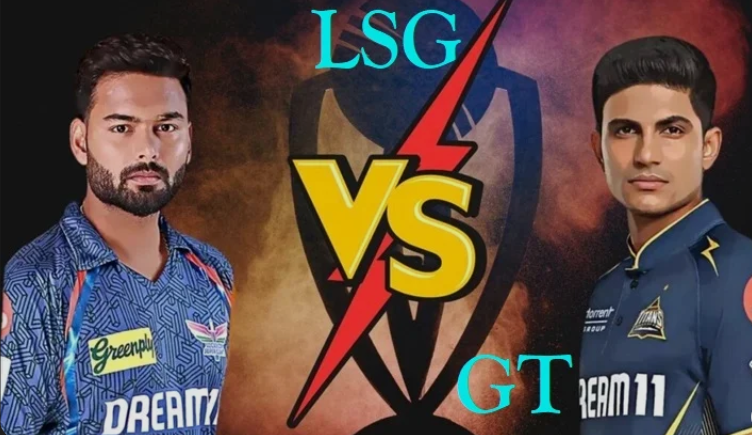
The clash between Lucknow Super Giants and Sunrisers Hyderabad has quickly grown into one of the most closely followed contests in modern T20 cricket. Every encounter between these two sides brings a mix of tactical depth, aggressive intent, and shifting momentum that keeps fans on edge. From explosive powerplay starts to tense final over finishes, both teams have consistently pushed each other to deliver high quality cricket. Their rivalry reflects the evolving nature of the IPL where strategy, adaptability, and individual brilliance decide outcomes more than history. Over time, this matchup has produced thrilling scorelines, standout performances, and unforgettable pressure moments that define competitive cricket at the highest level.
| Date | Venue | Winner | Margin | LSG Score | SRH Score | Player of Match |
| April 5, 2026 | Hyderabad | Lucknow Super Giants | 5 wickets | 160/5 | 156/9 | Mohammed Shami |
| May 19, 2025 | Lucknow | Sunrisers Hyderabad | 6 wickets | 205/7 | 206/4 | Abhishek Sharma |
| March 27, 2025 | Hyderabad | Lucknow Super Giants | 5 wickets | 193/5 | 192/6 | Rishabh Pant |
| May 8, 2024 | Hyderabad | Sunrisers Hyderabad | 10 wickets | 165/4 | 167/0 | Travis Head |
| May 13, 2023 | Hyderabad | Lucknow Super Giants | 7 wickets | 185/3 | 182/6 | Prerak Mankad |
| April 7, 2023 | Lucknow | Lucknow Super Giants | 5 wickets | 127/5 | 121/8 | Krunal Pandya |
| April 4, 2022 | Mumbai | Lucknow Super Giants | 12 runs | 169/7 | 157/9 | Avesh Khan |
| Metric | Lucknow Super Giants | Sunrisers Hyderabad |
| Head to Head Matches | 7 | 7 |
| Total Matches Won | 5 | 2 |
| Highest Innings Score | 205/7 | 206/4 |
| Lowest Innings Score | 165/4 | 121/8 |
| Match Wins Chasing | 4 | 2 |
| Match Wins Batting First | 1 | 0 |
| Player | Team | Innings | Total Runs | Highest Score | Strike Rate | Total Sixes |
| Heinrich Klaasen | Sunrisers Hyderabad | 5 | 180 | 62 | 145.22 | 8 |
| Abhishek Sharma | Sunrisers Hyderabad | 6 | 165 | 75 | 160.50 | 10 |
| Travis Head | Sunrisers Hyderabad | 4 | 140 | 89 | 175.00 | 7 |
| Rishabh Pant | Lucknow Super Giants | 3 | 120 | 68 | 135.50 | 4 |
| Aiden Markram | Lucknow Super Giants | 4 | 115 | 61 | 140.20 | 5 |
| Mitchell Marsh | Lucknow Super Giants | 3 | 95 | 65 | 130.00 | 4 |
| Player | Team | Overs Bowled | Total Wickets | Best Figures | Economy Rate | Bowling Average |
| Mohammed Shami | Lucknow Super Giants | 8.0 | 5 | 2/9 | 6.50 | 10.40 |
| Harsh Dubey | Sunrisers Hyderabad | 8.0 | 4 | 2/18 | 5.75 | 11.50 |
| Avesh Khan | Lucknow Super Giants | 16.0 | 4 | 2/25 | 8.80 | 35.25 |
| Digvesh Singh | Lucknow Super Giants | 8.0 | 3 | 2/37 | 9.25 | 24.66 |
| Eshan Malinga | Sunrisers Hyderabad | 8.0 | 3 | 1/30 | 7.50 | 20.00 |
| Shardul Thakur | Lucknow Super Giants | 8.0 | 2 | 1/39 | 9.75 | 39.00 |
The beginning of this contest shaped a new competitive edge in the league where two emerging teams started building identity through aggressive cricket and tactical awareness. Both sides entered the competition with different team philosophies, one relying on structured batting depth and the other focusing on explosive top order impact. Early encounters showed that neither side was willing to give easy control in any phase of the game. Momentum shifted frequently, especially when pressure situations demanded quick decision making from captains. The rivalry slowly developed as matches became closer, with small margins deciding outcomes rather than one-sided dominance. Fans also started recognizing this fixture as unpredictable, where form often mattered less than execution on the day. Bowlers from both camps began targeting weaknesses with precision, while batters looked to dominate early overs. Over time, this matchup gained attention for its balance and intensity rather than history or tradition.
| First Phase | Batting Approach | Bowling Focus | Match Control |
| Early Stage | Aggressive intent | New ball attack | Balanced |
| Middle Stage | Rotational play | Spin control | Slight shift |
| Late Stage | Power hitting | Death overs plan | Highly competitive |
| Recent Phase | Flexible strategy | Matchups focus | Unpredictable |
The opening match between the two sides set the tone for a rivalry filled with pressure and tactical experimentation. Both teams entered the field with strong intent to dominate early and establish psychological advantage. The batting units tried to set aggressive totals, but disciplined bowling spells kept the scoring under control. Field placements played a major role, with captains constantly adjusting strategies based on match conditions. Partnerships in the middle overs became crucial as early wickets created instability. The chasing side showed resilience under pressure, but key breakthroughs at critical moments shifted the momentum. The match also highlighted the importance of finishing ability, as both teams struggled to maintain acceleration in the final overs. This encounter proved that even small mistakes could lead to big consequences in this matchup.
| Phase | Team Pressure | Key Moment | Result Impact |
| Start | High intent | Early wicket | Balanced game |
| Middle | Tactical shift | Partnership build | Slight advantage |
| Late | Execution test | Bowling spell | Momentum change |
| Finish | High tension | Final overs | Narrow outcome |
The powerplay overs in this rivalry consistently defined the direction of matches, with both teams focusing heavily on early breakthroughs and aggressive starts. One side often relied on attacking batting in the first six overs, aiming to maximize field restrictions, while the opposition countered with disciplined line and length bowling. Swing and pace variation played a crucial role in controlling scoring rates. When early wickets fell, the batting side often struggled to rebuild momentum, allowing bowlers to dictate terms. On other occasions, quick scoring in the first three overs created pressure on the bowling attack, forcing defensive adjustments. Fielding intensity also contributed significantly, with sharp catching and boundary saves changing game flow. These early overs became a psychological battleground where confidence either grew or collapsed rapidly.
| Powerplay Aspect | Team Strength | Opposition Response | Outcome Effect |
| Opening attack | Aggressive batting | Tight bowling | Balanced start |
| Early wickets | Bowling success | Recovery attempt | Pressure build |
| Run rate control | Mixed approach | Field changes | Momentum shift |
| Final overs | Stability focus | Tactical slowdown | Setting stage |
The middle overs became a defining phase where both teams tested patience, technique, and adaptability under pressure. One side often relied on stabilizing partnerships after early wickets, while the other focused on breaking rhythm through spin and slower variations. This phase demanded smart strike rotation and calculated risk-taking rather than pure aggression. Bowlers used variations in pace and length to force mistakes, leading to crucial breakthroughs. Batters who settled during this phase often converted starts into impactful innings, while those who failed to rotate strike put pressure on incoming players. Captains played a major role by rotating bowlers strategically and adjusting field placements to restrict boundary options.
| Middle Phase | Batting Plan | Bowling Strategy | Match Influence |
| Early middle | Stabilization | Spin introduction | Control phase |
| Mid section | Strike rotation | Variation bowling | Pressure build |
| Late middle | Acceleration attempt | Field spread | Tactical shift |
| End phase | Risk taking | Wicket hunting | Setup for finish |
The final overs consistently delivered high drama, with both teams showcasing contrasting finishing abilities under pressure. One side often relied on power hitters to maximize scoring in the last three overs, while the opposition focused on yorkers, slower balls, and boundary protection tactics. Execution in this phase became the ultimate deciding factor in many encounters. Even small errors in line or length resulted in extra runs that changed match outcomes. Batters who timed their innings well during earlier phases were able to capitalize at the end, while those who struggled faced difficulty accelerating. Pressure on bowlers increased significantly as boundaries in death overs shifted momentum rapidly.
| Death Overs Factor | Batting Output | Bowling Plan | Match Result Impact |
| Early death overs | Controlled hitting | Slower balls | Balanced finish |
| Middle death phase | Acceleration | Yorker attack | Momentum swing |
| Final overs | Maximum aggression | Boundary defense | Decisive outcome |
| Last ball moments | High pressure | Tactical field | Result defining |
Individual matchups between players added another layer of intensity to this rivalry, often determining the flow of entire games. Top order batters frequently faced high pace bowling challenges that tested technique and temperament. Similarly, middle order hitters had to deal with spin variations that disrupted scoring rhythm. These head to head contests created mini battles within the larger match context. Bowlers who consistently dismissed key batters gained psychological advantage, influencing future encounters. Fielding units also played a role in shaping these battles through sharp catches and direct hits.
| Player Duel | Batting Challenge | Bowling Strategy | Outcome Influence |
| Top order vs pace | Early aggression | Swing attack | Momentum shift |
| Middle order vs spin | Rotation focus | Tight overs | Control phase |
| Finisher vs death bowling | Power hitting | Yorker focus | Match swing |
| Captain influence | Tactical play | Field changes | Strategic impact |
Captaincy decisions played a crucial role in shaping outcomes throughout this rivalry, with leadership under pressure often determining match direction. Strategic bowling changes during key phases helped control scoring and create breakthroughs. Batting order adjustments were also used to maximize impact against specific bowling attacks. Field placements became highly situational, with attacking and defensive setups alternating frequently based on match flow. Captains had to read pitch conditions quickly and respond to changing momentum. Decisions regarding powerplay aggression or middle overs consolidation often influenced final results. Misjudged decisions sometimes led to momentum loss, while bold calls occasionally turned matches in unexpected directions.
| Captain Decision | Situation | Action Taken | Result Effect |
| Bowling change | Powerplay | Early wicket plan | Momentum shift |
| Field setup | Middle overs | Defensive spread | Controlled flow |
| Batting order | Chase phase | Aggressive push | Pressure response |
| Final overs | High tension | Attack field | Match outcome |
The rivalry between Lucknow Super Giants and Sunrisers Hyderabad continues to stand out for its balance of strategy and unpredictability. Each match has added new layers to their competitive history, with both sides learning and adapting from past encounters. Whether it is dominant batting displays, disciplined bowling spells, or tactical captaincy decisions, this fixture rarely fails to deliver intensity. As the rivalry progresses, it is becoming a showcase of modern T20 evolution where small margins define big results. Fans can expect this contest to remain closely fought, emotionally charged, and full of decisive moments in the seasons ahead.
| Read Also: Gujarat Titans Vs Punjab Kings Timeline |