Physical Address
304 North Cardinal St.
Dorchester Center, MA 02124
Physical Address
304 North Cardinal St.
Dorchester Center, MA 02124
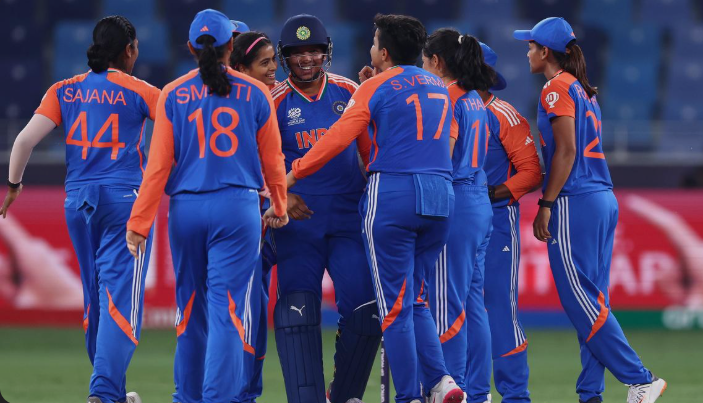
The rivalry between India Women and Sri Lanka Women has become one of the most fascinating stories in Asian cricket. Over the years, these two teams have faced each other in bilateral series, continental tournaments, and major international events, creating countless memorable moments. Their encounters have showcased outstanding batting displays, disciplined bowling performances, and remarkable individual achievements. While one side often enjoyed greater success, the other consistently fought to challenge expectations and narrow the competitive gap. This timeline explores the key matches, defining performances, tactical battles, and important milestones that shaped a rivalry admired by cricket fans across the region.
| Match Date | Tournament | Match Format | Winning Team | Winning Margin | Venue City | Match Status |
|---|---|---|---|---|---|---|
| December 30, 2025 | Sri Lanka Tour of India | T20I | India Women | 15 runs | Thiruvananthapuram | Completed |
| December 28, 2025 | Sri Lanka Tour of India | T20I | India Women | 30 runs | Thiruvananthapuram | Completed |
| December 26, 2025 | Sri Lanka Tour of India | T20I | India Women | 8 wickets | Thiruvananthapuram | Completed |
| December 23, 2025 | Sri Lanka Tour of India | T20I | India Women | 7 wickets | Visakhapatnam | Completed |
| December 21, 2025 | Sri Lanka Tour of India | T20I | India Women | 8 wickets | Visakhapatnam | Completed |
| September 30, 2025 | ICC Women’s Cricket World Cup | ODI | India Women | 59 runs | Guwahati | Completed |
| May 11, 2025 | Sri Lanka Women’s Tri-Nation Series | ODI | India Women | 97 runs | Colombo | Completed |
| Match Format | Total Matches Played | India Women Wins | Sri Lanka Women Wins | No Result Matches | Tied Matches | Win Ratio India |
|---|---|---|---|---|---|---|
| One Day Internationals | 35 | 31 | 3 | 1 | 0 | 10.33 |
| Twenty20 Internationals | 28 | 21 | 5 | 1 | 1 | 4.20 |
| Overall Combined Formats | 63 | 52 | 8 | 2 | 1 | 6.50 |
| ICC World Cup Tournaments | 10 | 7 | 2 | 1 | 0 | 3.50 |
| Asia Cup Tournaments | 14 | 11 | 3 | 0 | 0 | 3.66 |
| Bilateral Series Played | 12 | 10 | 1 | 1 | 0 | 10.00 |
| Matches Played in India | 16 | 15 | 1 | 0 | 0 | 15.00 |
| Batsman Name | Team Representation | Total Matches | Total Innings | Total Runs Scored | Highest Score | Batting Average |
|---|---|---|---|---|---|---|
| Mithali Raj | India Women | 26 | 24 | 984 | 109 | 49.20 |
| Harmanpreet Kaur | India Women | 38 | 34 | 912 | 110 | 36.48 |
| Smriti Mandhana | India Women | 29 | 28 | 845 | 106 | 33.80 |
| Chamari Athapaththu | Sri Lanka Women | 42 | 41 | 815 | 115 | 20.37 |
| Shashikala Siriwardene | Sri Lanka Women | 31 | 30 | 542 | 61 | 18.06 |
| Deepti Sharma | India Women | 25 | 19 | 488 | 96 | 32.53 |
| Shafali Verma | India Women | 18 | 18 | 465 | 71 | 25.83 |
| Bowler Name | Team Representation | Total Matches | Overs Bowled | Total Wickets Taken | Best Bowling Figures | Bowling Economy Rate |
|---|---|---|---|---|---|---|
| Jhulan Goswami | India Women | 28 | 210.4 | 43 | 4 for 16 | 3.12 |
| Deepti Sharma | India Women | 25 | 148.2 | 34 | 4 for 23 | 3.84 |
| Inoka Ranaweera | Sri Lanka Women | 29 | 185.1 | 29 | 4 for 21 | 4.35 |
| Rajeshwari Gayakwad | India Women | 19 | 124.0 | 26 | 4 for 10 | 3.45 |
| Shashikala Siriwardene | Sri Lanka Women | 31 | 192.3 | 24 | 4 for 31 | 4.10 |
| Radha Yadav | India Women | 16 | 58.0 | 19 | 4 for 23 | 5.15 |
| Renuka Singh | India Women | 14 | 52.3 | 17 | 4 for 28 | 4.82 |
Women’s cricket in South Asia developed through different paths, yet both nations shared a common passion for the game. Early contests created a competitive atmosphere that gradually evolved into a respected regional rivalry. One side benefited from stronger domestic structures and greater international exposure, while the other focused on developing emerging talent capable of challenging established opponents. As bilateral tours and multi-nation tournaments increased, players gained valuable experience against familiar opposition. These encounters became more than ordinary fixtures because every match offered a chance to measure progress and regional standing. Fans followed closely, celebrating victories and analyzing defeats with equal intensity. The growing competitiveness of these meetings contributed to the overall growth of women’s cricket across the region. Coaches and selectors also used these contests to evaluate tactical strengths and weaknesses. Over time, the rivalry became known for disciplined bowling, patient batting, and moments of individual brilliance. The foundation established during these early years ensured that every future meeting would carry significance for players, supporters, and the broader cricketing community.
| Era | Focus Area | Team Strength | Key Development | Impact |
|---|---|---|---|---|
| Early Years | Growth | Experience | Team Building | Foundation |
| Bilateral Tours | Exposure | Discipline | Skill Growth | Progress |
| Regional Events | Competition | Consistency | Learning | Recognition |
| Development Phase | Talent | Adaptability | Improvement | Momentum |
| Modern Era | Professionalism | Depth | Expansion | Strong Rivalry |
The earliest meetings established patterns that would influence future contests. Teams entered the field eager to understand each other’s strengths and weaknesses, creating a learning environment alongside competitive ambition. Batters focused on preserving wickets while bowlers relied on accuracy and patience rather than aggression. Several matches remained closely contested because both sides were still refining their tactical identities. Early victories provided confidence and demonstrated the importance of preparation at the international level. Players who performed well in these fixtures often became key figures in subsequent series. These encounters also revealed differences in batting depth, fielding standards, and game management under pressure. Spectators witnessed the beginning of a sporting relationship built on respect and determination. Although the margins of victory varied, each result contributed to the evolving narrative between the two sides. Analysts frequently pointed to these formative contests when discussing how the rivalry matured over time. The lessons learned during this period helped shape future strategies and prepared both teams for increasingly competitive battles.
| Match Type | Main Feature | Batting Focus | Bowling Focus | Outcome |
|---|---|---|---|---|
| Opening Match | Learning | Stability | Accuracy | Valuable Experience |
| Early Series | Adjustment | Partnerships | Discipline | Improvement |
| Tournament Clash | Pressure | Rotation | Control | Competitive |
| Bilateral Fixture | Growth | Patience | Consistency | Development |
| Key Encounter | Confidence | Responsibility | Execution | Momentum |
During the next phase, one side established a reputation for consistency through stronger batting depth and reliable bowling resources. Experienced players frequently produced match-winning contributions that placed opponents under sustained pressure. The challenge for the opposing team was finding combinations capable of competing over entire matches rather than isolated periods of success. Coaches experimented with batting orders, bowling rotations, and field placements in search of a formula that could close the gap. Despite difficult results, valuable lessons emerged from every contest. Younger players gained exposure to high-level cricket, while senior figures worked to guide the team through a challenging transition period. Tactical awareness became increasingly important as teams analyzed opposition patterns more closely. Matches often highlighted the significance of partnerships and disciplined bowling spells. While dominance appeared evident in results, many contests contained competitive moments that suggested future improvement was possible. This phase ultimately became a crucial learning period that strengthened the determination of players striving to transform occasional resistance into consistent competitiveness.
| Aspect | Strong Area | Challenge | Response | Result |
|---|---|---|---|---|
| Batting | Depth | Consistency | Training | Improvement |
| Bowling | Accuracy | Penetration | Planning | Progress |
| Fielding | Discipline | Pressure | Practice | Better Execution |
| Leadership | Experience | Adaptation | Guidance | Stability |
| Strategy | Structure | Balance | Experimentation | Development |
Major tournaments introduced a completely different level of intensity. Every decision carried greater importance because advancement often depended on a single result. Players faced packed schedules, increased media attention, and heightened expectations from supporters. These conditions created memorable contests where composure became just as important as skill. Batters had to manage risk carefully, while bowlers focused on containing scoring opportunities during critical phases. Tournament cricket often rewarded teams capable of adapting quickly to changing conditions. Close finishes and pressure-filled run chases became defining features of several encounters. Fans experienced emotional highs and lows as matches swung between competing sides. Captains played crucial roles by making bold decisions at pivotal moments. The atmosphere surrounding these contests elevated the rivalry and increased interest in women’s cricket throughout the region. Tournament performances also influenced rankings, confidence, and long-term development plans. As stakes continued to rise, each meeting gained additional significance, transforming ordinary fixtures into important chapters within a growing sporting narrative.
| Tournament Stage | Pressure Level | Key Requirement | Team Response | Significance |
|---|---|---|---|---|
| Group Stage | Moderate | Consistency | Stability | Qualification |
| Crucial Match | High | Execution | Focus | Momentum |
| Decisive Fixture | Intense | Composure | Discipline | Advancement |
| Major Event | Elevated | Adaptation | Flexibility | Recognition |
| Final Stretch | Maximum | Leadership | Confidence | Legacy |
Every rivalry needs standout performers, and this chapter witnessed the emergence of players who inspired teammates and supporters alike. Talented batters produced influential innings that changed match situations, while bowlers delivered crucial breakthroughs during difficult periods. These individuals became symbols of ambition and resilience, demonstrating how personal excellence could influence collective success. Their performances generated excitement among fans and encouraged greater interest in women’s cricket. Young players entering the international arena viewed these established figures as role models. Memorable knocks, game-changing spells, and athletic fielding efforts helped create lasting memories. The rivalry became richer because supporters could identify key personalities whose performances often shaped results. Media coverage increasingly focused on individual battles within the broader contest. As new stars emerged, expectations grew and every appearance attracted greater attention. The influence of these players extended beyond statistics because they helped raise standards and inspire future generations. Their contributions transformed ordinary matches into compelling stories remembered long after the final ball.
| Player Role | Contribution | Key Skill | Match Impact | Legacy |
|---|---|---|---|---|
| Opener | Fast Starts | Timing | Momentum | Inspiration |
| Middle Order | Stability | Temperament | Recovery | Reliability |
| All-Rounder | Balance | Versatility | Control | Value |
| Fast Bowler | Breakthroughs | Pace | Pressure | Influence |
| Spinner | Containment | Accuracy | Advantage | Consistency |
Certain contests altered perceptions and demonstrated that previous results did not guarantee future outcomes. Unexpected victories and competitive performances challenged established assumptions, creating renewed belief among players and supporters. Tactical adjustments played a major role, with teams identifying specific opportunities to target weaknesses and maximize strengths. Successful run chases and disciplined bowling displays showed that preparation could overcome reputation. These matches often featured dramatic turning points that changed momentum within a few overs. Spectators witnessed confidence grow as players executed plans effectively under pressure. Analysts highlighted these encounters as evidence of a narrowing competitive gap. Such performances encouraged greater investment in player development and reinforced the importance of strategic thinking. The emotional impact extended beyond the scoreboard because victories symbolized progress and ambition. Defeats, meanwhile, served as reminders that maintaining success required continuous improvement. These pivotal contests became reference points whenever discussions focused on the evolution and competitiveness of the rivalry.
| Turning Point | Tactical Move | Key Performance | Match Effect | Long-Term Impact |
|---|---|---|---|---|
| Surprise Win | Smart Planning | Collective Effort | Confidence | Belief |
| Close Finish | Field Changes | Calm Execution | Momentum | Growth |
| Strong Chase | Batting Intent | Partnership | Victory | Progress |
| Bowling Display | Tight Lines | Wicket Taking | Control | Recognition |
| Defining Match | Adaptation | Teamwork | Shift | New Narrative |
Leadership often determines how teams respond during crucial moments. Captains influence tactics, team morale, and decision-making throughout a match. Successful leaders understand conditions, player strengths, and opposition weaknesses. Strategic bowling changes, field adjustments, and batting plans frequently decide close contests. Communication becomes especially important when pressure increases and momentum begins to shift. Strong captains maintain composure and encourage teammates to focus on execution rather than external distractions. Rival teams carefully study each other’s methods, creating a fascinating battle of preparation and adaptation. Tactical planning extends beyond match day, involving detailed analysis and scenario-based training. The most successful leaders combine confidence with flexibility, adjusting plans when circumstances change. Their decisions can influence results, shape team culture, and define entire eras. As the rivalry matured, captaincy became one of its most intriguing elements. The battle between leaders often proved just as important as the performances produced by players on the field.
| Leadership Area | Strategic Focus | Decision Type | Match Influence | Outcome |
|---|---|---|---|---|
| Captaincy | Direction | Tactical Calls | Stability | Control |
| Bowling Plans | Pressure | Rotation | Wickets | Advantage |
| Batting Strategy | Tempo | Order Changes | Momentum | Runs |
| Field Placement | Restriction | Positioning | Containment | Efficiency |
| Team Culture | Confidence | Communication | Unity | Success |
The journey between these two national sides reflects the growth and evolution of women’s cricket in South Asia. Every match contributed to a larger story filled with determination, learning, and competitive spirit. From early contests to modern tournament battles, players on both sides have produced performances that continue to inspire future generations. The rivalry has strengthened regional cricket, increased fan engagement, and highlighted the rising standard of the women’s game. As new talent emerges and future meetings unfold, this cricketing relationship remains an important part of Asian cricket history, ensuring that its legacy continues to grow with each passing season.
| Read Also: Rajasthan Royals Vs Gujarat Titans Timeline |