Physical Address
304 North Cardinal St.
Dorchester Center, MA 02124
Physical Address
304 North Cardinal St.
Dorchester Center, MA 02124
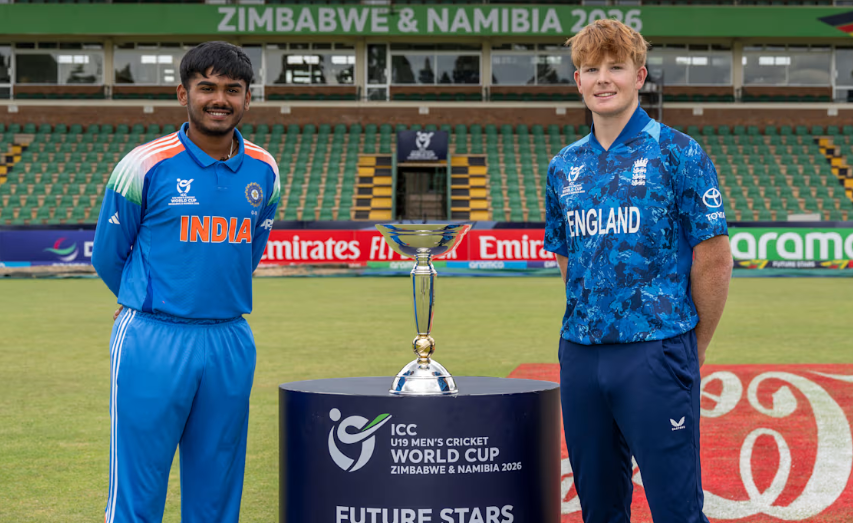
The rivalry between the two youth cricket sides has evolved into one of the most closely followed matchups in international junior cricket. What began as simple developmental encounters gradually transformed into highly competitive contests filled with pressure, strategy, and emerging talent. Each meeting reflects the contrast between two strong cricketing cultures, where technique, temperament, and adaptability are constantly tested. Over the years, these matches have produced thrilling finishes, standout performances, and future stars who later stepped onto the senior international stage. The timeline of their encounters highlights not only results but also the growth of modern youth cricket standards and the intensity of global competition.
| Date | Tournament | Venue | Winner | Margin | India Score | England Score |
|---|---|---|---|---|---|---|
| Feb 06, 2026 | U19 World Cup Final | Harare | India U19 | 100 runs | 411/9 | 311 |
| Jul 07, 2025 | 5th Youth ODI | Worcester | England U19 | 7 wickets | 210/9 | 211/3 |
| Jul 05, 2025 | 4th Youth ODI | Worcester | India U19 | 55 runs | 363/9 | 308 |
| Jul 02, 2025 | 3rd Youth ODI | Northampton | India U19 | 4 wickets | 274/6 | 268/6 |
| Jun 30, 2025 | 2nd Youth ODI | Northampton | England U19 | 1 wicket | 290 | 291/9 |
| Jun 27, 2025 | 1st Youth ODI | Hove | India U19 | 6 wickets | 178/4 | 174 |
| Team | Played | Won | Lost | Tied | No Result | Win Percentage |
|---|---|---|---|---|---|---|
| India U19 | 6 | 4 | 2 | 0 | 0 | 66.67% |
| England U19 | 6 | 2 | 4 | 0 | 0 | 33.33% |
| Total Matches | 6 | 6 | 6 | 0 | 0 | 100.00% |
| Series Winner | India U19 | India U19 | England U19 | None | None | Major Titles: 1 |
| World Cup H2H | 1 | 1 | 0 | 0 | 0 | 100.00% |
| Bilateral ODI | 5 | 3 | 2 | 0 | 0 | 60.00% |
| Player Name | Team | Innings | Runs | Highest Score | Average | Strike Rate |
|---|---|---|---|---|---|---|
| Vaibhav Sooryavanshi | India U19 | 5 | 355 | 175 | 71.00 | 174.01 |
| Thomas Rew | England U19 | 5 | 280 | 93 | 93.33 | 142.13 |
| Ayush Mhatre | India U19 | 4 | 340 | 126 | 85.00 | 103.65 |
| Caleb Falconer | England U19 | 4 | 210 | 115 | 52.50 | 165.20 |
| Abhigyan Kundu | India U19 | 4 | 166 | 90 | 41.50 | 91.71 |
| Vihaan Malhotra | India U19 | 4 | 90 | 39 | 22.50 | 125.00 |
| Player Name | Team | Overs | Maidens | Runs | Wickets | Economy |
|---|---|---|---|---|---|---|
| RS Ambrish | India U19 | 45.0 | 4 | 210 | 12 | 4.66 |
| James Minto | England U19 | 38.0 | 2 | 220 | 9 | 5.78 |
| Kanishk Chouhan | India U19 | 42.2 | 1 | 240 | 8 | 5.66 |
| Alex Green | England U19 | 35.0 | 0 | 215 | 6 | 6.14 |
| Sebastian Morgan | England U19 | 32.0 | 1 | 198 | 5 | 6.18 |
| Henil Patel | India U19 | 28.0 | 3 | 154 | 4 | 5.50 |
The early meetings between the two youth sides were shaped by contrast in cricket education systems and playing philosophy. One side relied heavily on structured technique and disciplined bowling plans, while the other leaned toward natural stroke play and adaptable match awareness. These early contests did not carry the hype of senior international cricket, but they quietly built the base of a long competitive relationship. Conditions in England often assisted seam movement, challenging visiting batters to adjust quickly, while subcontinent conditions tested patience and spin handling. Even in these early stages, certain young players stood out with calm temperament under pressure. Coaches focused on skill development rather than pure results, but every encounter added emotional weight. The matches often swung between dominance and recovery, revealing how evenly matched the future prospects of both systems were. Over time, these early games became reference points for talent scouts and selectors evaluating future international readiness.
| Season | Venue Type | Dominant Skill | Key Trend | Match Nature |
|---|---|---|---|---|
| Early Phase | Home Conditions | Seam vs Spin | Learning curve | Balanced contests |
| Development Tours | Mixed pitches | Batting technique | Adjustment battles | Competitive |
| Youth Tournaments | Neutral venues | Fielding sharpness | Tight margins | Unpredictable |
| Friendly Series | Varied | Strategy building | Experimental squads | Mixed results |
As structured youth series began to take shape, the rivalry started gaining competitive seriousness. Matches in this phase were no longer just about development but about establishing dominance in limited formats. Batters on both sides began to understand bowling patterns more deeply, leading to longer partnerships and more calculated innings building. Several games were decided in the final overs, highlighting growing mental strength among young players. Coaches emphasized tactical awareness, especially in rotating strike and death over bowling execution. Some matches saw dramatic collapses, while others featured remarkable recoveries from early setbacks. The competitive gap narrowed significantly, making every fixture unpredictable. Emerging fast bowlers began to trouble top-order batters with pace and movement, while spinners found success by controlling middle overs. These encounters laid the foundation for a more emotionally charged rivalry that would continue evolving with each new youth cycle.
| Series Type | Key Strength | Deciding Factor | Match Pressure | Outcome Pattern |
|---|---|---|---|---|
| ODI Series | Batting depth | Middle overs control | High | Close finishes |
| Test Youth Matches | Technique | Patience | Medium | Draw or wins |
| Tri Series | Squad rotation | Bench strength | High | Mixed results |
| Invitational Events | Strategy | Adaptability | Very High | Unpredictable |
The rivalry entered a more intense phase as matches became emotionally charged and tightly contested. Players were no longer just developing skills but actively fighting for recognition on global youth platforms. Pressure situations became common, especially in chasing targets under lights or defending small totals. Bowling units on both sides learned to adapt quickly, introducing variations such as slower balls, cutters, and attacking field setups. Batting collapses occurred under pressure, but equally impressive were rescue partnerships that shifted momentum unexpectedly. On-field energy increased noticeably, with louder appeals and sharper exchanges between players. Coaches played a more strategic role, often influencing field placement decisions during critical phases. The rivalry now carried expectations from fans and selectors alike, making each fixture a test of temperament as much as skill. This phase defined how future stars would handle pressure in professional cricket environments.
| Match Situation | Pressure Level | Key Skill Tested | Turning Point | Result Impact |
|---|---|---|---|---|
| Powerplay | Medium | Top order stability | Early wickets | Set tone |
| Middle Overs | High | Spin handling | Partnership breaks | Momentum shift |
| Death Overs | Very High | Finishing skills | Execution errors | Match deciding |
| Run Chase | Extreme | Temperament | Final overs | Result swings |
When both sides met in global youth tournaments, the stakes rose dramatically. ICC events brought neutral conditions, larger audiences, and knockout pressure, transforming ordinary matches into defining career moments. Teams approached these games with detailed planning, studying opposition strengths and weaknesses through video analysis. Batters who performed well in earlier phases often struggled under knockout pressure, while some lesser-known players rose to prominence unexpectedly. Bowling attacks were more disciplined, focusing on restricting boundaries rather than chasing wickets blindly. Fielding became a decisive factor, with run-outs and diving stops changing momentum frequently. Captains played crucial roles in handling pressure situations, often making bold tactical decisions that either paid off or backfired. These encounters are remembered not only for results but for the emotional intensity they generated among players and supporters. Every ball carried significance, and mistakes were rarely forgiven.
| Tournament Stage | Pressure Factor | Key Performer Role | Strategy Focus | Outcome Style |
|---|---|---|---|---|
| Group Stage | Moderate | Consistency | Rotation policy | Balanced wins |
| Quarterfinal | High | All-round impact | Risk control | Tight finishes |
| Semifinal | Very High | Leadership | Defensive setups | Low margin |
| Final | Extreme | Big-match temperament | Execution | Historic results |
One of the most significant aspects of this rivalry timeline has been the emergence of future international cricketers. Many players who featured in these youth encounters later transitioned into senior national teams. These matches served as early indicators of temperament, technique, and adaptability. Batters who handled pressure situations effectively were fast-tracked into professional setups. Similarly, bowlers who showed control and variation earned recognition from franchise leagues and domestic selectors. Rivalry encounters also created mini battles between specific players, especially top-order batters facing express pace or quality spin. These individual duels often shaped match outcomes and influenced career trajectories. Coaches and selectors closely monitored these performances to identify leadership potential and consistency under pressure. Over time, this rivalry became a talent pipeline, shaping the future of international cricket across both nations.
| Player Type | Strength Displayed | Key Contribution | Career Impact | Selection Outcome |
|---|---|---|---|---|
| Batter | Technique | Run consistency | High influence | Senior call-up |
| Bowler | Control | Wicket breakthroughs | Match-winning spells | Fast tracking |
| All-rounder | Balance | Dual impact | Versatility value | Franchise demand |
| Captain | Leadership | Tactical decisions | Team stability | Long-term role |
As the rivalry matured, tactical sophistication became more evident in every match. Teams began using advanced analytics to study opposition patterns, focusing on strike rates, bowling lengths, and scoring zones. Batting strategies shifted toward aggressive starts followed by calculated consolidation phases. Bowling units adapted by mixing pace variations with strategic field placements designed to restrict scoring areas. Captains became more proactive, frequently changing plans based on pitch behavior and match conditions. Fielding standards improved significantly, reducing unnecessary runs and increasing pressure on batters. Communication between bowlers and wicketkeepers played a crucial role in adjusting strategies mid-innings. The tactical depth of these encounters reflected the growing professionalism in youth cricket systems. Every decision carried weight, and even minor tactical errors often changed match outcomes dramatically. This evolution highlighted how youth cricket was no longer just developmental but highly competitive and strategically driven.
| Tactical Area | Approach Used | Effectiveness | Key Advantage | Risk Factor |
|---|---|---|---|---|
| Batting Plan | Aggressive start | High | Early dominance | Collapse risk |
| Bowling Plan | Variation use | Very High | Wicket control | Predictability |
| Field Setup | Defensive shifts | Medium | Run restriction | Boundary gaps |
| Captaincy | Reactive decisions | High | Flexibility | Misjudgment |
In the modern phase, the rivalry reflects the evolution of limited overs cricket at the youth level. Matches are faster, more aggressive, and heavily influenced by T20-style strategies. Batters aim for high strike rates from the beginning, while bowlers focus on containment and wicket-taking variations. Fitness standards have also improved, leading to sharper fielding and quicker game awareness. Recent encounters show reduced margin for error, with games often decided in the final over or even the last delivery. Technology and data analysis now play a central role in preparation, allowing teams to plan against individual opponents more effectively. Young captains display maturity beyond their age, handling pressure situations with structured decision-making. These modern matches continue to produce thrilling finishes and highlight future stars for international cricket. The rivalry remains one of the most closely watched in youth cricket due to its unpredictability and consistent talent output.
| Modern Factor | Current Trend | Impact Level | Key Change | Match Influence |
|---|---|---|---|---|
| Batting Style | High aggression | Very High | Faster scoring | Early momentum |
| Bowling Strategy | Variation heavy | High | Wicket focus | Control shifts |
| Fielding Standard | Elite athleticism | High | Run saving | Tight finishes |
| Analytics Use | Data driven | Very High | Match planning | Strategic advantage |
The journey of this rivalry showcases how youth cricket can shape the future of the game at the highest level. Every encounter added new layers of intensity, learning, and competition between the two sides. From early developmental games to high-pressure tournament clashes, the timeline reflects continuous evolution in skill, mindset, and strategy. Players who featured in these matches carried forward valuable experience into their senior careers. Ultimately, this rivalry stands as a powerful example of how consistent competition at the junior level builds resilience, talent, and the foundation for international cricket success.
| Read Also: Chennai Super Kings Vs Punjab Kings Timeline |