Physical Address
304 North Cardinal St.
Dorchester Center, MA 02124
Physical Address
304 North Cardinal St.
Dorchester Center, MA 02124
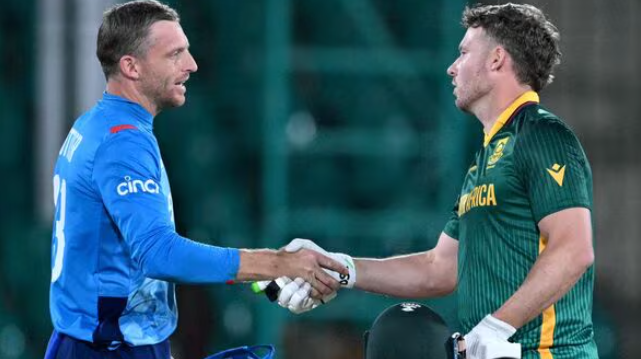
Few rivalries in international cricket have evolved as dramatically as the contests between England and South Africa. Spanning multiple generations, historic tours, political interruptions, and modern-day battles, this rivalry has produced unforgettable moments across Test matches, One Day Internationals, and T20 cricket. Both nations have contributed legendary players, exceptional captains, and match-winning performances that shaped cricket history. From the earliest encounters to high-pressure modern clashes, every series has added a new chapter to a fascinating story. The rivalry reflects skill, determination, tactical excellence, and sporting pride, making it one of the most respected and closely followed contests in world cricket.
| Match Date | Format | Venue | Winner | Margin | Top Batsman | Top Bowler |
|---|---|---|---|---|---|---|
| 17 Sep 2025 | T20I | Manchester | England | 146 runs | P Salt | J Archer |
| 14 Sep 2025 | T20I | Cardiff | South Africa | 8 wickets | R Hendricks | K Maharaj |
| 10 Sep 2025 | ODI | Southampton | England | 342 runs | J Buttler | A Rashid |
| 07 Sep 2025 | ODI | London | South Africa | 6 wickets | T de Zorzi | L Ngidi |
| 04 Sep 2025 | ODI | Leeds | South Africa | 7 wickets | H Klaasen | A Nortje |
| 01 Mar 2025 | ODI | Karachi | South Africa | 7 wickets | A Markram | K Maharaj |
| 21 Jun 2024 | T20I | St Lucia | South Africa | 7 runs | Q de Kock | K Maharaj |
| Format | Total Matches | England Won | South Africa Won | Matches Tied | No Result | Draw |
|---|---|---|---|---|---|---|
| Test | 156 | 65 | 35 | 0 | 0 | 56 |
| ODI | 69 | 30 | 33 | 1 | 5 | 0 |
| T20I | 26 | 12 | 13 | 0 | 1 | 0 |
| Overall | 251 | 107 | 81 | 1 | 6 | 56 |
| Home Wins | 121 | 54 | 32 | 0 | 3 | 32 |
| Away Wins | 123 | 51 | 42 | 1 | 2 | 27 |
| Neutral Venue | 7 | 2 | 7 | 0 | 1 | 0 |
| Player Name | Team Country | Total Runs | Highest Score | Batting Average | Strike Rate | Centuries |
|---|---|---|---|---|---|---|
| J Buttler | England | 682 | 131 | 48.71 | 118.21 | 1 |
| A Markram | South Africa | 528 | 88 | 44.00 | 96.52 | 0 |
| R van der Dussen | South Africa | 514 | 134 | 57.11 | 91.22 | 2 |
| H Klaasen | South Africa | 402 | 109 | 40.20 | 144.31 | 1 |
| R Hendricks | South Africa | 338 | 74 | 33.80 | 131.51 | 0 |
| P Salt | England | 291 | 141 | 41.57 | 165.21 | 1 |
| J Roy | England | 245 | 113 | 35.00 | 104.22 | 1 |
| Bowler Name | Team Country | Total Wickets | Best Bowling | Economy Rate | Bowling Average | Five Wicket Hauls |
|---|---|---|---|---|---|---|
| A Rashid | England | 25 | 3 for 42 | 5.12 | 31.40 | 0 |
| J Archer | England | 23 | 6 for 40 | 4.95 | 24.11 | 1 |
| K Maharaj | South Africa | 19 | 4 for 33 | 4.65 | 28.52 | 0 |
| L Ngidi | South Africa | 18 | 4 for 51 | 5.75 | 30.22 | 0 |
| M Wood | England | 14 | 3 for 35 | 5.42 | 33.15 | 0 |
| A Nortje | South Africa | 12 | 4 for 62 | 5.91 | 35.40 | 0 |
| R Topley | England | 11 | 3 for 41 | 5.23 | 29.81 | 0 |
The relationship between these two cricketing nations began during an era when international tours were rare and challenging. Long sea voyages, unfamiliar playing conditions, and limited communication made every contest a test of adaptability. Early encounters helped establish a competitive foundation that would eventually grow into one of the sport’s most respected rivalries. England arrived with experience and structure, while South Africa sought recognition on the global stage. These matches introduced generations of players to contrasting styles of cricket, creating memorable contests that attracted growing public interest. The significance of these meetings extended beyond the boundary rope, influencing cricket culture, administration, and international scheduling for decades. As each series unfolded, the competitive gap gradually narrowed, setting the stage for future battles filled with ambition, resilience, and sporting pride.
| Era | Travel Method | Playing Conditions | Main Challenge | Outcome |
|---|---|---|---|---|
| Early Tours | Ship | Unfamiliar Pitches | Adaptation | Competitive Growth |
| First Series | Ship | Varied Weather | Consistency | Valuable Experience |
| Developing Years | Sea Travel | Hard Surfaces | Technique | Improved Standards |
| Expanding Cricket | Long Journeys | Mixed Conditions | Endurance | Greater Recognition |
| Historic Period | International Tours | Diverse Grounds | Preparation | Strong Rivalry Base |
The earliest official contests created the foundation for decades of competition. England initially held a significant advantage thanks to a deeper cricketing structure and greater international experience. However, South Africa’s determination was evident from the beginning. These matches revealed emerging talent, tactical experimentation, and a growing belief that the gap between the sides could eventually be reduced. Several close contests demonstrated that momentum could shift quickly when bowlers exploited local conditions or batters built patient innings. Fans followed these encounters with increasing enthusiasm, recognizing that each match contributed to a larger story. The lessons learned from victories and defeats shaped future strategies and influenced team selection. What started as a straightforward contest gradually evolved into a competitive struggle that captured attention across both cricketing nations.
| Match Phase | Strong Aspect | Key Performers | Tactical Focus | Result Impact |
|---|---|---|---|---|
| Opening Years | Batting Depth | Senior Players | Patience | Early Dominance |
| Competitive Tests | Bowling Control | Pace Bowlers | Discipline | Closer Matches |
| Tactical Growth | Team Balance | All Rounders | Flexibility | Improved Results |
| Emerging Talent | Young Stars | New Players | Adaptation | Future Success |
| Historic Encounters | Determination | Match Winners | Execution | Rivalry Growth |
Over time, South Africa transformed from a developing cricket nation into a genuine challenger capable of defeating the strongest opponents. Investment in player development, stronger domestic competitions, and the emergence of exceptional cricketers accelerated this rise. Victories became more frequent as confidence increased and tactical awareness improved. Fast bowlers learned to maximize home conditions, while batters developed the patience required for long international innings. Every successful series added another chapter to the growing rivalry. Fans embraced this transformation, celebrating achievements that proved their team could compete with established powers. The shift in balance forced opponents to rethink strategies and preparation methods. What had once been viewed as an uneven contest evolved into a fiercely contested battle where every session carried significance and every mistake could influence the outcome.
| Development Area | Improvement | Team Benefit | Fan Reaction | Long Term Effect |
|---|---|---|---|---|
| Youth Programs | Better Talent | Strong Squad | Excitement | Sustainable Success |
| Domestic Cricket | Higher Standards | Consistency | Support Growth | Elite Players |
| Fast Bowling | Greater Pace | Match Control | Enthusiasm | Competitive Edge |
| Batting Depth | Stability | Bigger Totals | Confidence | Better Results |
| Leadership | Clear Direction | Team Unity | Pride | Rivalry Strength |
Political circumstances created a lengthy interruption that prevented official contests between the two nations. This absence left a noticeable gap in international cricket, denying players and supporters the opportunity to witness a rivalry that had been steadily developing. During these years, both teams evolved independently, producing talented cricketers who never received the chance to face one another in official competition. Discussions about potential matchups became common among fans and experts. The interruption also altered historical statistics, leaving many questions unanswered about how certain generations would have performed against each other. Despite the absence of regular competition, anticipation continued to grow. When international conditions finally allowed the rivalry to resume, interest was immense because supporters understood they were witnessing the continuation of a story that had remained unfinished for decades.
| Period | Situation | Effect on Teams | Fan Response | Historical Impact |
|---|---|---|---|---|
| Suspension Years | No Official Matches | Limited Competition | Frustration | Missing Chapters |
| Independent Growth | Separate Development | New Talent | Curiosity | Different Eras |
| Global Changes | Structural Shifts | Adaptation | Anticipation | Renewed Interest |
| Return Discussions | Future Planning | Preparation | Excitement | Historic Moment |
| Revival Phase | Competition Resumes | Stronger Teams | Celebration | Rivalry Continues |
The return of official competition marked one of the most emotional chapters in cricket history. Players recognized the significance of representing their nations in a renewed rivalry that carried decades of history. Crowds filled stadiums eager to witness contests that many supporters had waited years to see. The intensity was immediate, with both sides determined to make a statement. Competitive matches, individual brilliance, and tactical battles reminded everyone why this rivalry remained important. The renewed contests also introduced a new generation of stars who embraced the responsibility of carrying the rivalry forward. Each series attracted worldwide attention as analysts examined changing strategies and team strengths. The revival demonstrated that time had not diminished the competitive spirit between the sides and, in many ways, had made the rivalry even stronger.
| Element | Before Return | After Return | Key Difference | Outcome |
|---|---|---|---|---|
| Public Interest | Anticipation | Massive Attention | Higher Engagement | Global Focus |
| Team Strength | Developing Squads | Strong Units | Better Balance | Closer Matches |
| Competition Level | Uncertain | Intense | Greater Pressure | Memorable Series |
| Player Quality | Emerging Talent | Established Stars | Higher Standards | Better Cricket |
| Rivalry Status | Dormant | Active | Renewed Energy | Lasting Impact |
Few individual battles captured attention quite like the contests involving Allan Donald and England’s batting lineup. His pace, aggression, and relentless accuracy created constant pressure. Batters understood that even minor mistakes could result in dismissal. Donald’s approach combined physical intensity with tactical intelligence, making him one of the most feared bowlers of his era. England responded by emphasizing patience, defensive technique, and calculated counterattacks. The battle became a defining feature of several memorable series, with every spell attracting enormous attention from fans and commentators. Moments of confrontation, dramatic wickets, and determined resistance produced unforgettable cricket. These contests highlighted the importance of mental strength in elite sport, demonstrating how individual rivalries can influence entire matches and shape broader perceptions of team dominance.
| Skill Area | Donald’s Strength | Batting Response | Match Effect | Legacy |
|---|---|---|---|---|
| Pace | Extreme Speed | Defensive Technique | Pressure | Iconic Duels |
| Accuracy | Consistency | Patience | Longer Battles | Tactical Lessons |
| Aggression | Intensity | Concentration | Momentum Shifts | Fan Interest |
| Swing Bowling | Movement | Shot Selection | Key Wickets | Match Winning Impact |
| Leadership | Inspiration | Team Effort | Competitive Edge | Lasting Reputation |
The arrival of strong leadership brought a noticeable change in competitive balance. Graham Smith helped create a team built on resilience, discipline, and self belief. Under his guidance, South Africa developed into one of the most consistent sides in international cricket. Series victories against major opponents reinforced the belief that success could be achieved in any conditions. England faced a determined opponent capable of competing across formats and adapting to different situations. Tactical planning became increasingly important as both teams searched for advantages. Smith’s influence extended beyond statistics because he helped establish a winning culture that inspired teammates and supporters alike. This period represented a significant turning point, transforming the rivalry into a contest between two highly accomplished cricketing nations with realistic ambitions of global success.
| Leadership Area | Strategy | Team Benefit | Competitive Effect | Result |
|---|---|---|---|---|
| Captaincy | Clear Direction | Confidence | Stronger Performances | More Wins |
| Batting Stability | Long Innings | Consistency | Better Totals | Match Control |
| Team Culture | Discipline | Unity | Reliable Results | Sustained Success |
| Tactical Planning | Preparation | Adaptability | Competitive Advantage | Series Victories |
| Long Term Vision | Development | Strong Squad | Global Reputation | Power Shift |
The journey between these two cricketing powers is a story of competition, resilience, and continuous evolution. Across different eras, both sides have experienced periods of dominance while producing memorable matches that remain part of cricket folklore. Legendary fast bowlers, world-class batters, influential captains, and dramatic finishes have ensured that every generation has its own defining moments. The rivalry has influenced playing styles, inspired future stars, and strengthened the global appeal of the sport. As new players emerge and fresh contests unfold, this historic cricket relationship continues to grow, preserving a legacy that remains significant in international cricket today.