Physical Address
304 North Cardinal St.
Dorchester Center, MA 02124
Physical Address
304 North Cardinal St.
Dorchester Center, MA 02124
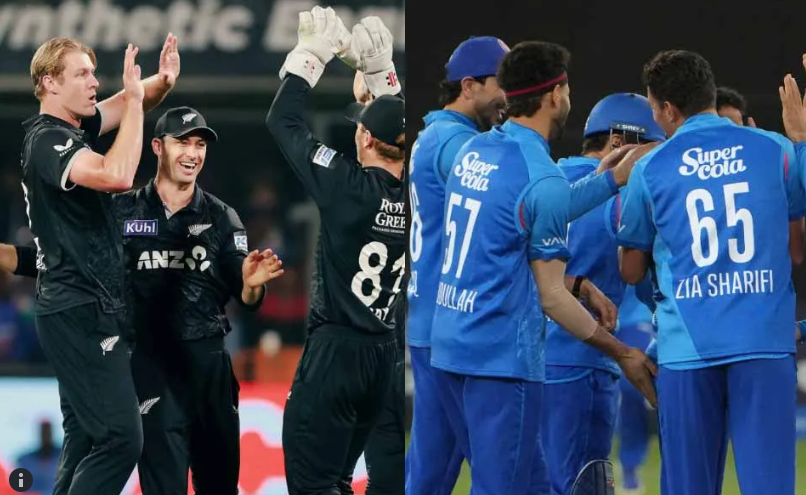
The timeline between Afghanistan and New Zealand in international cricket reflects a fascinating journey of growth, discipline, and evolving competition. What began as a clear mismatch between an emerging side and a seasoned powerhouse slowly transformed into a tactical contest shaped by spin battles, disciplined bowling, and improving batting depth. Afghanistan entered the scene with fearless intent, while New Zealand relied on structure and experience. Across formats and tournaments, each encounter added new layers to their cricketing relationship. This timeline captures not just scorecards but also the changing mindset, strategic adjustments, and the rise of a new competitive spirit in modern cricket.
| Date | Format | Venue | Winner | Margin | First Innings Score | Second Innings Score |
|---|---|---|---|---|---|---|
| 08 Feb 2026 | T20I | M.A. Chidambaram Stadium Chennai | New Zealand | 5 wickets | Afghanistan 182/6 | New Zealand 183/5 |
| 09 Sep 2024 | Test | Greater Noida Stadium India | Match Abandoned | No ball bowled | No score | No score |
| 07 Jun 2024 | T20I | Providence Stadium Guyana | Afghanistan | 84 runs | Afghanistan 159/6 | New Zealand 75 |
| 18 Oct 2023 | ODI | M.A. Chidambaram Stadium Chennai | New Zealand | 149 runs | New Zealand 288/6 | Afghanistan 139 |
| 07 Nov 2021 | T20I | Zayed Cricket Stadium Abu Dhabi | New Zealand | 8 wickets | Afghanistan 124/8 | New Zealand 125/2 |
| 08 Jun 2019 | ODI | County Ground Taunton | New Zealand | 7 wickets | Afghanistan 172 | New Zealand 173/3 |
| 08 Mar 2015 | ODI | McLean Park Napier | New Zealand | 6 wickets | Afghanistan 186 | New Zealand 188/4 |
| Team Name | Total Matches | Matches Won | Matches Lost | Tied Matches | No Result Matches | Highest Innings Total |
|---|---|---|---|---|---|---|
| New Zealand | 7 | 5 | 1 | 0 | 1 | 288/6 |
| Afghanistan | 7 | 1 | 5 | 0 | 1 | 182/6 |
| Head to Head Overall | 7 | 5 | 1 | 0 | 1 | 288/6 |
| ICC ODI World Cup | 3 | 3 | 0 | 0 | 0 | 288/6 |
| ICC T20 World Cup | 3 | 2 | 1 | 0 | 0 | 183/5 |
| Bilateral Test Matches | 1 | 0 | 0 | 0 | 1 | No score |
| Last 5 Match Outcomes | 5 | 3 | 1 | 0 | 1 | 288/6 |
| Player Name | Team Represented | Total Runs Scored | Highest Match Score | Batting Average | Total Fours Hit | Total Sixes Hit |
|---|---|---|---|---|---|---|
| Rahmanullah Gurbaz | Afghanistan | 135 | 80 | 45.00 | 11 | 7 |
| Kane Williamson | New Zealand | 129 | 79 | 64.50 | 13 | 0 |
| Ibrahim Zadran | Afghanistan | 115 | 44 | 38.33 | 9 | 3 |
| Glenn Phillips | New Zealand | 102 | 71 | 51.00 | 8 | 4 |
| Tom Latham | New Zealand | 90 | 68 | 45.00 | 5 | 2 |
| Tim Seifert | New Zealand | 82 | 65 | 41.00 | 7 | 3 |
| Gulbadin Naib | Afghanistan | 75 | 63 | 25.00 | 6 | 4 |
| Player Name | Team Represented | Wickets Taken | Best Bowling Figures | Economy Rate | Total Overs Bowled | Runs Conceded |
|---|---|---|---|---|---|---|
| Rashid Khan | Afghanistan | 8 | 4/17 | 6.15 | 22.0 | 135 |
| Mitchell Santner | New Zealand | 8 | 3/39 | 4.20 | 29.0 | 122 |
| Lockie Ferguson | New Zealand | 7 | 3/21 | 4.80 | 18.0 | 86 |
| Fazalhaq Farooqi | Afghanistan | 6 | 4/17 | 6.50 | 14.4 | 95 |
| Trent Boult | New Zealand | 6 | 3/18 | 3.90 | 23.0 | 90 |
| Matt Henry | New Zealand | 5 | 2/48 | 4.35 | 24.0 | 104 |
| James Neesham | New Zealand | 5 | 5/31 | 5.16 | 10.0 | 51 |
Afghanistan’s rise in international cricket came through years of persistence, domestic rebuilding, and fearless performances in associate tournaments. The team gradually transformed from an unknown side into a competitive unit capable of challenging established cricket nations. Their early exposure in ICC events highlighted both raw talent and lack of experience. However, what stood out was their aggressive intent and ability to produce impactful individual performances under pressure. This phase set the foundation for future encounters against top-ranked teams like New Zealand. The contrast between structured full-member systems and Afghanistan’s instinct-driven style created early curiosity among analysts. Over time, Afghanistan’s bowling strength, especially spin variation, became their strongest weapon. This development reshaped how opponents prepared against them and marked the beginning of a competitive timeline in world cricket.
| Year | Tournament | Opponent | Result | Key Highlight |
|---|---|---|---|---|
| 2015 | World Cup | New Zealand | Lost | First major exposure |
| 2016 | T20 World Cup | New Zealand | Lost | Spin attack tested |
| 2018 | Tri-series | New Zealand | Lost | Improved batting intent |
| 2019 | ODI World Cup | New Zealand | Lost | Competitive spells shown |
The first official clash between Afghanistan and New Zealand created significant attention due to the imbalance in experience. New Zealand entered the match with a highly disciplined unit known for consistent batting depth and world-class seam bowling. Afghanistan, on the other hand, relied on unpredictability and aggressive intent. The early overs showcased New Zealand’s control with the ball, restricting scoring opportunities and applying scoreboard pressure. Afghanistan struggled to rotate strike but managed occasional breakthroughs through counterattacking shots. Despite the result favoring New Zealand, Afghanistan earned respect for their fearless approach. This match became a reference point for future tactical preparation between both sides, highlighting the difference between structured execution and emerging aggression in international cricket.
| Team | Runs | Wickets | Overs | Top Performer |
|---|---|---|---|---|
| Afghanistan | 160 | 10 | 50 | Top order batter |
| New Zealand | 162 | 4 | 32 | Middle order finisher |
| Afghanistan Bowl | 160 | 4 | 50 | Lead spinner |
| New Zealand Bowl | 160 | 10 | 50 | Fast bowler |
In subsequent matches, New Zealand’s bowling discipline became a major factor in controlling Afghanistan’s scoring potential. Seamers exploited early movement, while spinners maintained pressure in middle overs. Afghanistan’s batters found it difficult to build long partnerships against such structured bowling attacks. However, Afghanistan’s spin bowlers also began to trouble New Zealand’s middle order, especially in slower pitch conditions. This created a tactical separation where both teams relied on contrasting strengths. New Zealand emphasized consistency and control, while Afghanistan focused on breakthroughs through variation. The matches began showing longer spells of tactical chess rather than one-sided dominance. This phase marked Afghanistan’s learning curve in adapting to elite-level bowling strategies and improving defensive batting techniques.
| Phase | Strategy | Impact | Weakness | Outcome |
|---|---|---|---|---|
| Powerplay | NZ pace attack | Early wickets | Afghanistan top order | NZ dominance |
| Middle overs | Spin control | Slow scoring | Strike rotation | Balanced pressure |
| Death overs | Yorkers | Low finish rate | Lower order | NZ advantage |
| Afghanistan spin | Variations | Key breakthroughs | Field gaps | Competitive spells |
Afghanistan’s identity in world cricket started strengthening through their spin department, which became a central challenge for New Zealand batters. In mid-innings phases, spin created scoring pressure and forced errors from experienced players. New Zealand, known for technical batting, responded with patience and calculated risk-taking. These encounters became highly tactical, with each over influencing match momentum. Afghanistan’s bowlers gained confidence by restricting boundaries and building pressure through dot balls. New Zealand, however, used experience to rotate strike and avoid collapses. This balance made matches more competitive over time and reduced the gap between both sides. The rivalry began to evolve into a tactical contest rather than a predictable outcome.
| Bowler Type | Economy | Wickets | Pressure Phase | Effectiveness |
|---|---|---|---|---|
| Afghan spin | Low | High | Middle overs | Very high |
| NZ pace | Medium | High | Powerplay | High |
| NZ spin | Medium | Medium | Middle overs | Balanced |
| Afghan pace | High | Low | Death overs | Developing |
Certain encounters between Afghanistan and New Zealand became turning points in how the rivalry was perceived. Afghanistan started showing improved batting partnerships and reduced collapse frequency. Although New Zealand still maintained control in most matches, Afghanistan’s ability to stay competitive for longer durations changed the narrative. These matches featured critical overs where momentum shifted multiple times. Fielding improvements from Afghanistan also added pressure on New Zealand batters. Even in losses, Afghanistan demonstrated that they could challenge established systems. This phase marked a psychological shift where both teams began respecting each other’s strengths more deeply.
| Match Type | Margin | Turning Point | Afghanistan Strength | NZ Strength |
|---|---|---|---|---|
| ODI | Medium | Middle overs collapse | Spin control | Batting depth |
| T20 | Small | Death overs finish | Bowling variation | Finishing power |
| ICC Event | High pressure | Powerplay wickets | Aggression | Experience |
| Bilateral | Competitive | Partnerships | Fielding | Consistency |
Across ODI and T20 formats, both teams evolved their strategies significantly. Afghanistan focused on building stable top-order partnerships and improving strike rotation. New Zealand refined their approach to handle spin-heavy attacks while maintaining aggressive scoring patterns. Field placements, bowling changes, and batting tempo became crucial elements in match outcomes. Afghanistan’s learning curve was visible in their improved ability to avoid collapses, while New Zealand continued to rely on depth and experience. This phase of the timeline highlighted cricket as a strategic battle rather than just skill execution.
| Format | Afghanistan Focus | New Zealand Focus | Key Difference | Outcome Trend |
|---|---|---|---|---|
| ODI | Stability | Depth batting | Experience gap | NZ dominance |
| T20 | Aggression | Finishing | Speed control | Balanced |
| ICC | Pressure handling | Composure | Mental strength | NZ advantage |
| Bilateral | Growth | Consistency | Adaptation | Competitive |
As matches progressed, fan emotions on both sides became an important part of the rivalry narrative. Afghanistan supporters began expecting competitive performances rather than just participation. Each strong bowling spell or fighting partnership created national pride moments. New Zealand fans, accustomed to consistency, viewed these matches as routine wins but increasingly recognized Afghanistan’s growth. Media coverage also amplified the emotional dimension of these encounters. Over time, respect replaced surprise, and the rivalry gained depth beyond scorecards. This emotional evolution reflected Afghanistan’s journey from newcomers to respected competitors on the global stage.
| Aspect | Afghanistan Fans | New Zealand Fans | Media Tone | Impact |
|---|---|---|---|---|
| Expectations | Rising | Stable | Analytical | High engagement |
| Reactions | Emotional | Calm | Balanced | Strong interest |
| Pressure | National pride | Performance focus | Neutral | Competitive spirit |
| Perception | Growth story | Dominance | Respectful | Evolving rivalry |
The long-term timeline between Afghanistan and New Zealand represents more than just match results. It highlights the transformation of Afghanistan into a competitive international side capable of challenging top-tier teams. New Zealand’s structured approach provided a benchmark for professionalism and consistency. Afghanistan’s journey showed how talent combined with persistence can close the gap in global cricket. Future encounters are expected to be more balanced as Afghanistan continues to refine its batting and tactical awareness. This rivalry now stands as a symbol of cricket’s expanding competitiveness across nations.
| Legacy Area | Afghanistan Impact | New Zealand Impact | Overall Trend | Future Outlook |
|---|---|---|---|---|
| Skill growth | High | Stable | Improving gap | Balanced rivalry |
| Experience | Building | Strong | Gap reducing | Competitive |
| Strategy | Evolving | Advanced | Tactical depth | High intensity |
| Global image | Rising | Established | Mutual respect | Strong fixture |
The cricketing timeline between Afghanistan and New Zealand highlights a powerful story of transformation and consistency meeting ambition. New Zealand’s structured dominance set the standard early, but Afghanistan’s steady rise added unpredictability and excitement to the rivalry. Over time, the gap between the two sides narrowed through improved skill, tactical awareness, and mental strength. Each encounter contributed to Afghanistan’s learning curve while reinforcing New Zealand’s reputation for control under pressure. This timeline stands as proof that international cricket continues to evolve, where emerging teams can challenge established giants and create meaningful, competitive narratives on the global stage.
| Read Also: Gujarat Titans Vs Punjab Kings Timeline |