Physical Address
304 North Cardinal St.
Dorchester Center, MA 02124
Physical Address
304 North Cardinal St.
Dorchester Center, MA 02124
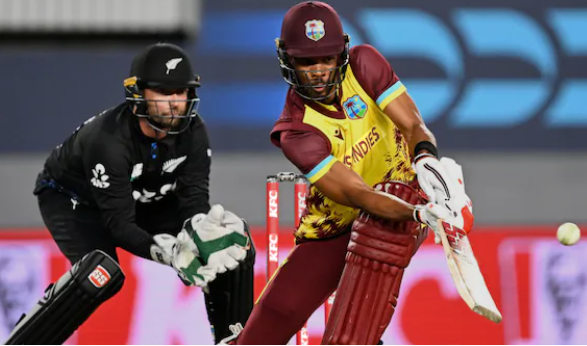
The rivalry between the West Indies cricket team and the New Zealand national cricket team has evolved into a fascinating study of contrast, resilience, and changing eras. From their earliest meetings to modern-day clashes, both sides have brought completely different identities to the field. West Indies have often relied on explosive talent, natural aggression, and game-changing brilliance, while New Zealand have built their strength on discipline, structure, and tactical precision. Across Tests, ODIs, and T20s, their encounters have produced shifting momentum, memorable performances, and pressure-filled moments that shaped careers and series outcomes, creating a timeline rich in competitive cricket history.
| Format | Venue | Date | Winner | Margin | First Innings Score | Second Innings Score |
|---|---|---|---|---|---|---|
| Test | Mount Maunganui | 22 Dec 2025 | New Zealand | 323 runs | 412 | 215 |
| Test | Wellington | 12 Dec 2025 | New Zealand | 9 wickets | 389 | 114/1 |
| Test | Christchurch | 06 Dec 2025 | Match Drawn | None | 355 | 280/8 |
| ODI | Hamilton | 22 Nov 2025 | New Zealand | 4 wickets | 248/9 | 251/6 |
| ODI | Napier | 19 Nov 2025 | New Zealand | 5 wickets | 222 | 225/5 |
| ODI | Christchurch | 16 Nov 2025 | New Zealand | 7 runs | 291/8 | 284 |
| T20I | Dunedin | 13 Nov 2025 | New Zealand | 8 wickets | 152/7 | 155/2 |
| Format | Played | West Indies Wins | New Zealand Wins | No Result | Ties | Draws |
|---|---|---|---|---|---|---|
| Test | 51 | 13 | 19 | 0 | 0 | 19 |
| ODI | 68 | 31 | 31 | 6 | 0 | 0 |
| T20I | 22 | 7 | 11 | 3 | 1 | 0 |
| World Cup ODI | 8 | 3 | 5 | 0 | 0 | 0 |
| World Cup T20 | 2 | 1 | 1 | 0 | 0 | 0 |
| Total Overall | 151 | 55 | 67 | 9 | 1 | 19 |
| Player Name | Team | Matches | Innings | Total Runs | Highest Score | Batting Average |
|---|---|---|---|---|---|---|
| Brian Lara | West Indies | 13 | 24 | 1121 | 147 | 46.70 |
| Kane Williamson | New Zealand | 17 | 25 | 1084 | 251 | 49.27 |
| Ross Taylor | New Zealand | 15 | 22 | 1025 | 131 | 51.25 |
| Chris Gayle | West Indies | 16 | 28 | 1011 | 197 | 37.44 |
| Shivnarine Chanderpaul | West Indies | 14 | 22 | 998 | 126 | 52.52 |
| Brendon McCullum | New Zealand | 12 | 18 | 912 | 224 | 53.64 |
| Nathan Astle | New Zealand | 10 | 16 | 803 | 118 | 50.18 |
| Player Name | Team | Matches | Innings | Total Wickets | Best Bowling | Bowling Average |
|---|---|---|---|---|---|---|
| Courtney Walsh | West Indies | 15 | 27 | 56 | 6/18 | 21.05 |
| Richard Hadlee | New Zealand | 11 | 21 | 51 | 6/50 | 22.13 |
| Tim Southee | New Zealand | 14 | 24 | 49 | 6/53 | 24.30 |
| Curtly Ambrose | West Indies | 12 | 22 | 43 | 5/54 | 22.67 |
| Trent Boult | New Zealand | 10 | 18 | 41 | 6/30 | 23.14 |
| Chris Cairns | New Zealand | 9 | 16 | 38 | 5/29 | 24.81 |
| Daniel Vettori | New Zealand | 11 | 18 | 35 | 6/56 | 29.42 |
The early meetings between the Caribbean side and the New Zealand side set the tone for a fascinating international rivalry built on contrast rather than familiarity. One team arrived with natural attacking instincts, fearless stroke play, and a reputation for dominance in world cricket. The other carried a quieter identity, built on discipline, patience, and calculated execution. When they first met in international fixtures, the difference in approach was immediately visible on the field. Early matches often reflected uneven phases where momentum shifted quickly depending on conditions and early breakthroughs. The Caribbean team tended to impose themselves in bursts, especially with aggressive batting spells, while the New Zealand side relied on building pressure through tight bowling lines and sharp field placements. These opening encounters did not just produce results but also shaped how both sides viewed each other in global competitions. Over time, even the losing moments contributed to tactical learning, creating a foundation for a rivalry that would evolve into a balanced and competitive journey across formats.
| Match Type | Early Dominant Factor | Key Strength | Match Pattern | Overall Impact |
|---|---|---|---|---|
| Test | Bowling discipline | Patience | Slow build-up | Tactical learning |
| ODI | Batting aggression | Stroke play | Momentum swings | Competitive growth |
| Tour matches | Conditions | Adaptation | Uneven phases | Experience building |
| Warm-ups | Experimentation | Flexibility | Mixed results | Strategy testing |
As time progressed, both sides developed sharper identities shaped by international exposure and changing formats. The Caribbean team strengthened its reputation for explosive batting and match-winning individual performances, often changing the course of games within a few overs. Their approach revolved around intimidation through scoring speed and aggressive intent. In contrast, the New Zealand side refined a structured system focused on consistency, adaptability, and execution under pressure. Their bowlers became more disciplined, their batting lineup more technically stable, and their fielding standards consistently high. This contrast created a unique balance whenever they faced each other, as one team sought rapid dominance while the other aimed to restrict and outthink. Matches began to reflect deeper tactical battles rather than just individual brilliance. Captains played a major role in shaping outcomes, adjusting field settings and bowling changes based on shifting momentum. Over the years, this evolution turned their encounters into strategic contests where planning often mattered as much as performance on the day.
| Aspect | Caribbean Side | New Zealand Side | Strength Type | Match Influence |
|---|---|---|---|---|
| Batting | Aggressive power | Technical stability | Contrast style | High impact |
| Bowling | Pace focused | Swing and seam | Control vs attack | Game balance |
| Fielding | Athletic bursts | Structured efficiency | Consistency | Pressure building |
| Strategy | Instinct based | Analytical planning | Tactical depth | Decision shaping |
Test matches between the two sides have often been defined by patience, mental strength, and long periods of pressure accumulation. Unlike shorter formats, these encounters demanded discipline from both batting lineups and resilience from bowlers operating in changing conditions. The Caribbean side occasionally displayed moments of brilliance with powerful centuries or sudden batting collapses, while the New Zealand side tended to maintain steadier control over sessions. Bowlers from both camps played crucial roles, especially in exploiting early morning conditions or reverse swing phases later in innings. Several matches saw dramatic shifts where a single partnership or bowling spell changed the entire direction of the game. Fielding intensity also became a deciding factor, with catches and run-outs proving critical in tight situations. Over time, these Test encounters built a reputation for unpredictability despite the structured nature of the format. Each series added new layers of tactical adjustments, making the rivalry richer and more complex in the longest format of the game.
| Element | Caribbean Side | New Zealand Side | Match Effect | Key Factor |
|---|---|---|---|---|
| Batting | Explosive innings | Consistent defense | Momentum swings | Partnerships |
| Bowling | Pace dominance | Swing accuracy | Pressure building | Line and length |
| Fielding | Athletic saves | Structured coverage | Run control | Precision |
| Sessions | Inconsistent dominance | Steady control | Balance shift | Endurance |
One Day International encounters between the two teams introduced a new level of intensity, especially during ICC events where pressure was significantly higher. The Caribbean side often relied on powerful top-order batting to set or chase challenging totals, while the New Zealand side emphasized building innings through calculated partnerships. These contrasting methods created thrilling matches where momentum shifted rapidly within overs. In several games, early wickets played a crucial role, forcing teams to rebuild under pressure. Death overs became decisive, with both sides showing contrasting finishing styles. The Caribbean team preferred explosive hitting in the final overs, while the New Zealand side focused on running precision and smart strike rotation. World Cup meetings added further emotional weight, with fans from both regions deeply invested in outcomes. Tactical decisions, such as bowling changes and field restrictions, often defined match results more than individual performances alone. Over time, ODI clashes became a central part of their rivalry identity.
| Factor | Caribbean Side | New Zealand Side | ODI Impact | Match Outcome Driver |
|---|---|---|---|---|
| Opening | Aggressive start | Cautious build | Fast scoring | Early momentum |
| Middle overs | Risk-based play | Partnership focus | Stability shift | Control phase |
| Death overs | Power hitting | Precision running | High scoring finish | Execution |
| Bowling plan | Pace attack | Variation use | Pressure control | Tactical setup |
With the arrival of T20 cricket, the rivalry entered its most unpredictable phase. Matches became shorter, faster, and more dependent on instant impact performances. The Caribbean side naturally adapted well to this format, using their explosive batting style to dominate powerplays and accelerate scoring rates. Big hitters often changed matches within a few overs, creating high entertainment value. The New Zealand side, however, relied on strategic bowling variations, disciplined fielding setups, and calculated chase planning. Their ability to remain calm under pressure became a key strength in close finishes. Many encounters went down to the final over, highlighting the fine margins in T20 cricket. Bowlers experimented with slower deliveries, wide yorkers, and tactical changes to counter aggressive batting. Field placements became more innovative, and captains played a more dynamic role than ever before. This era not only intensified the rivalry but also showcased how adaptability defined success in modern cricket.
| Element | Caribbean Side | New Zealand Side | T20 Influence | Key Outcome |
|---|---|---|---|---|
| Powerplay | Fast scoring | Controlled start | Early advantage | Momentum shift |
| Middle overs | Aggression | Tactical control | Balance phase | Stability test |
| Death overs | Big hitting | Variations | Final push | Finish quality |
| Bowling | Pace attack | Smart variations | Pressure tactics | Execution |
Individual matchups between star players from both sides have often defined the emotional core of this rivalry. Fast bowlers targeting top-order batters created intense battles, especially when early breakthroughs shifted match momentum. The Caribbean side produced powerful batters capable of dismantling bowling attacks within overs, while the New Zealand side relied on bowlers who could maintain pressure through consistency and subtle movement. These one-on-one contests often became mini-battles within larger matches, drawing attention from fans and analysts alike. Fielding brilliance and wicketkeeping also played a silent but crucial role in breaking partnerships. Several matches are remembered not just for team results but for specific duels that swung momentum. Leadership influence also mattered, as captains often shaped bowling matchups and batting orders to exploit weaknesses. Over time, these player rivalries created emotional intensity, making each encounter feel personal and unpredictable.
| Player Battle Type | Caribbean Strength | New Zealand Strength | Match Impact | Key Factor |
|---|---|---|---|---|
| Fast bowling vs batting | Power hitting | Swing accuracy | Early wickets | Control |
| Spin vs middle order | Aggression | Defense | Middle overs pressure | Stability |
| Finishing duels | Explosive shots | Tactical bowling | Death overs shift | Execution |
| Fielding pressure | Athletic ability | Structured fielding | Run-saving impact | Precision |
In recent years, both teams have embraced a more analytical and data-driven approach to the game. Match preparation now includes detailed breakdowns of player matchups, pitch conditions, and scoring patterns. The Caribbean side continues to rely on natural aggression but has added more structured planning to its approach, especially in chasing scenarios. The New Zealand side has further refined its reputation for consistency, using analytics to optimize bowling rotations and batting orders. Fielding standards have reached new levels, with athleticism and awareness becoming essential components of success. Close matches are often decided by small tactical decisions rather than individual brilliance alone. Fitness and adaptability also play major roles, as schedules become more demanding. This modern phase of the rivalry reflects a blend of tradition and innovation, where both sides respect each other’s strengths while continuously evolving to stay competitive on the global stage.
| Modern Factor | Caribbean Side | New Zealand Side | Tactical Role | Outcome Impact |
|---|---|---|---|---|
| Analytics | Increasing use | Heavy reliance | Strategy building | Match planning |
| Batting approach | Aggressive structure | Calculated innings | Scoring control | Chase efficiency |
| Bowling plans | Power variations | Precision execution | Pressure setup | Wicket creation |
| Fielding | Athletic focus | System-based efficiency | Run control | Match balance |
The long journey between these two sides has created a rivalry built on respect, contrast, and evolution rather than hostility. Each encounter has contributed to shaping modern cricket strategies, especially in balancing aggression with discipline. The Caribbean side brought entertainment, unpredictability, and explosive talent to the contests, while the New Zealand side introduced structure, patience, and tactical intelligence. Together, they created matches that appealed to both traditional and modern cricket audiences. Over decades, this rivalry has influenced how teams prepare for international competitions, especially in adapting to different formats. Young players from both sides now grow up understanding the historical significance of these encounters. The legacy is not defined by dominance but by the constant push and pull of two different cricketing philosophies. As the game continues to evolve, future meetings are expected to reflect even more refined strategies and higher levels of competition.
| Legacy Aspect | Caribbean Side Contribution | New Zealand Side Contribution | Long-Term Effect | Cricket Impact |
|---|---|---|---|---|
| Playing style | Entertainment value | Structural discipline | Balanced evolution | Global influence |
| Strategy | Aggressive mindset | Analytical planning | Tactical growth | Modern approach |
| Development | Talent production | System building | Sustained quality | Team consistency |
| Rivalry tone | Emotional intensity | Calm execution | Respect-based rivalry | Historical value |
The West Indies vs New Zealand cricket timeline reflects more than just wins and losses, it tells the story of two distinct cricketing philosophies meeting across generations. While West Indies brought flair and unpredictability, New Zealand responded with control and consistency, making every encounter strategically engaging. Over time, the rivalry has matured into a balanced contest shaped by adaptation, leadership, and evolving formats. From early dominance phases to modern analytical cricket, both teams have influenced each other’s growth. Their journey continues to represent respect, competition, and the timeless beauty of international cricket battles.