Physical Address
304 North Cardinal St.
Dorchester Center, MA 02124
Physical Address
304 North Cardinal St.
Dorchester Center, MA 02124
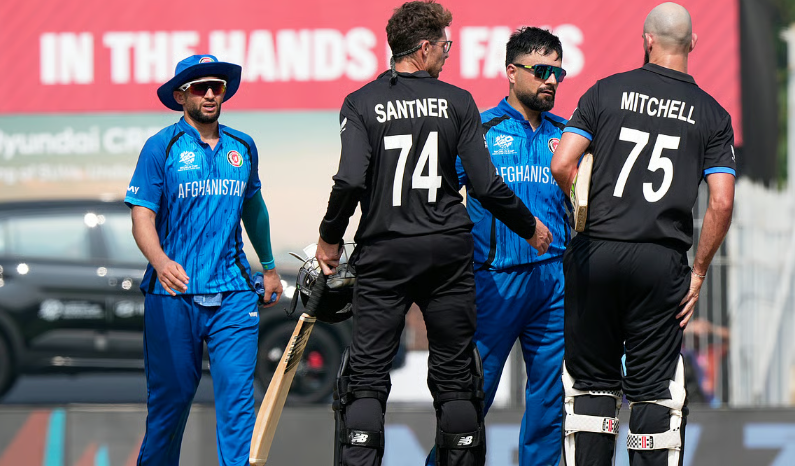
Cricket often evolves through contrast, and the encounters between these two sides reflect exactly that journey. One team entered the international stage with a legacy of structure, consistency, and tournament experience, while the other rose rapidly through determination, fearless cricket, and constant improvement. When they first met, expectations were heavily tilted, but the matches soon began revealing a deeper story. Pressure moments, spin battles, disciplined bowling spells, and unexpected batting resilience shaped every contest. Over time, these meetings turned into a timeline of learning, adaptation, and growing competitiveness, capturing the attention of global cricket followers.
| Date | Format | Venue | Winner | Margin | NZ Score | AFG Score |
|---|---|---|---|---|---|---|
| Feb 08, 2026 | T20I | Chennai | New Zealand | 5 wickets | 183/5 | 182/6 |
| Sep 09, 2024 | Test | Greater Noida | Abandoned | No result | 0/0 | 0/0 |
| Jun 07, 2024 | T20I | Providence | Afghanistan | 84 runs | 75 | 159/6 |
| Oct 18, 2023 | ODI | Chennai | New Zealand | 149 runs | 288/6 | 139 |
| Nov 07, 2021 | T20I | Abu Dhabi | New Zealand | 8 wickets | 125/2 | 124/8 |
| Jun 08, 2019 | ODI | Taunton | New Zealand | 7 wickets | 173/3 | 172 |
| Mar 08, 2015 | ODI | Napier | New Zealand | 6 wickets | 188/4 | 186 |
| Format | Total Matches | New Zealand Won | Afghanistan Won | No Result | Matches Batting First Won | Matches Bowling First Won |
|---|---|---|---|---|---|---|
| ODI | 3 | 3 | 0 | 0 | 1 | 2 |
| T20I | 3 | 2 | 1 | 0 | 1 | 2 |
| Test | 1 | 0 | 0 | 1 | 0 | 0 |
| Total | 7 | 5 | 1 | 1 | 2 | 4 |
| Batsman | Team | Matches | Innings | Runs | Highest Score | Average |
|---|---|---|---|---|---|---|
| Kane Williamson | New Zealand | 5 | 5 | 191 | 79 | 63.66 |
| Rahmanullah Gurbaz | Afghanistan | 4 | 4 | 122 | 80 | 30.50 |
| Tom Latham | New Zealand | 3 | 2 | 114 | 68 | 57.00 |
| Ibrahim Zadran | Afghanistan | 4 | 4 | 92 | 44 | 23.00 |
| Glenn Phillips | New Zealand | 4 | 3 | 87 | 71 | 43.50 |
| Hashmatullah Shahidi | Afghanistan | 3 | 3 | 73 | 59 | 24.33 |
| Tim Seifert | New Zealand | 2 | 2 | 67 | 65 | 33.50 |
| Bowler | Team | Matches | Overs | Wickets | Best Bowling | Economy |
|---|---|---|---|---|---|---|
| Mitchell Santner | New Zealand | 5 | 34.0 | 9 | 3/39 | 4.12 |
| Rashid Khan | Afghanistan | 6 | 43.4 | 8 | 4/17 | 4.85 |
| Trent Boult | New Zealand | 4 | 27.0 | 7 | 3/17 | 3.90 |
| Lockie Ferguson | New Zealand | 4 | 26.2 | 6 | 3/22 | 4.54 |
| Fazalhaq Farooqi | Afghanistan | 3 | 19.0 | 5 | 4/17 | 5.21 |
| Jimmy Neesham | New Zealand | 2 | 11.0 | 5 | 5/31 | 3.81 |
| Mujeeb Ur Rahman | Afghanistan | 4 | 29.0 | 4 | 3/45 | 5.10 |
The early phase of meetings between the two sides reflected a wide gap in experience and exposure at the highest level. One team entered international cricket with a long history of structured systems, consistent performances, and deep tournament experience. The other arrived with rapid growth, raw talent, and an aggressive mindset shaped by struggle and determination. Before their first official meeting, most predictions were one-sided, expecting a comfortable outing for the more established side. However, the emerging team carried a fearless approach that began changing perceptions quickly. Even in warm-up discussions and media build-up, there was growing curiosity about whether the underdogs could challenge disciplined bowling and calm batting systems. This stage set the emotional foundation of the rivalry, where respect slowly started building despite the imbalance in records and resources.
| Team A | Team B | Phase | Key Trait |
| Established side | Emerging side | Pre-match era | Experience gap |
| Strong structure | Developing system | Early phase | Tactical contrast |
| Calm approach | Aggressive intent | Build-up stage | Style difference |
| Tournament tested | Rising unit | Initial meetings | Learning curve |
The first official meeting created a tense atmosphere as expectations heavily leaned toward a dominant performance from the stronger team. The toss, pitch conditions, and early overs all played a crucial role in shaping the direction of the match. The opening batters from the less experienced side showed surprising composure, refusing to collapse under early pressure. There were moments where boundaries against disciplined bowling brought sudden silence to the opposition camp. Meanwhile, the favored side attempted to control the game through tight field settings and consistent line and length bowling. Despite the difference in ranking and reputation, the match did not follow a completely one-sided script. Instead, it became a contest of nerves, especially during the powerplay overs where momentum subtly shifted back and forth. This first encounter laid the foundation for a competitive narrative that would grow stronger in future clashes.
| Match phase | Key event | Impact | Momentum shift |
| Toss time | Strategic decision | Early control | Balanced |
| Powerplay | Controlled aggression | Surprise factor | Slight swing |
| Middle overs | Stabilization | Pressure build | Neutral |
| Early finish | Tight overs | Game control | Decisive |
In the early battles between the two sides, batting under pressure became a defining theme. The stronger bowling unit relied on swing, seam movement, and disciplined short-length deliveries to test technique and patience. However, the developing batting lineup showed resilience, especially through selective shot-making and improved strike rotation. Instead of going for risky aggressive strokes early, the batters focused on building partnerships and reducing dot-ball pressure. There were key moments where well-timed boundaries shifted the rhythm of the innings. Even when wickets fell at crucial stages, lower-order contributions ensured that the scoreboard remained competitive. This phase highlighted the growing maturity of the batting unit and its ability to adapt to high-quality bowling attacks. The psychological shift was also important, as the underdog team began believing they could survive and even challenge elite-level bowling strategies.
| Situation | Batting action | Bowling plan | Outcome |
| Early overs | Defensive start | Swing attack | Stability |
| Middle phase | Strike rotation | Spin control | Balance |
| Pressure phase | Partnership build | Field spread | Recovery |
| Late innings | Controlled hitting | Death bowling | Competitive total |
When the stronger side came out to bat or chase targets, their approach reflected calm planning and structured execution. The top order focused on preserving wickets while gradually increasing scoring rate. The middle order played a crucial stabilizing role, especially when spin was introduced to break rhythm. On the other hand, the opposition bowling unit relied heavily on variations, slower deliveries, and tight field placements. There were moments when pressure built due to dot-ball sequences, but experience often helped the stronger side recover quickly. Tactical adjustments such as changing bowling angles, rotating bowlers frequently, and attacking specific weak zones played a key role. This phase of matches showed the importance of game awareness and the ability to remain composed under scoreboard pressure. Even when wickets fell unexpectedly, the chase or build-up rarely collapsed completely, highlighting the depth and discipline of the stronger lineup.
| Phase | Strategy | Execution | Result |
| Opening | Cautious start | Risk control | Stable |
| Middle | Spin handling | Rotation play | Managed |
| Pressure | Tactical shift | Shot selection | Recovery |
| Finish | Acceleration | Target focus | Completion |
Spin bowling became one of the most important factors in shaping contests between the two sides. The developing team introduced world-class spin talent that immediately tested the technique of experienced batters. Variations in flight, pace, and turn created uncertainty during middle overs. At times, wickets fell due to misjudged drives or defensive errors under pressure. However, the stronger batting lineup adapted by using sweep shots, reverse sweeps, and calculated risk-taking. The battle between spin and batting control turned into a psychological contest, where patience mattered as much as skill. Field placements around the bat increased pressure, making singles harder to find. Despite these challenges, partnerships often prevented complete domination by either side. This phase added depth to the rivalry and showed that matches were no longer predictable, especially during middle overs where momentum frequently shifted.
| Bowler type | Batting response | Pressure level | Outcome |
| Wrist spin | Defensive play | High | Mixed success |
| Finger spin | Sweep shots | Medium | Balanced |
| Variation | Rotation focus | High | Controlled |
| Attack spin | Risk shots | Very high | Wickets shared |
Across the rivalry timeline, several players emerged as key influencers who shaped outcomes through consistent performances. The experienced captain played a stabilizing role, anchoring innings during difficult phases and guiding run chases with calm decision-making. The pace attack from the stronger side often delivered early breakthroughs, setting the tone for control. On the other side, spin specialists became game changers by breaking partnerships and applying pressure in crucial overs. Emerging batters showed flashes of brilliance, including crucial half-centuries that challenged expectations. Fielding also played a major role, with diving catches and direct hits shifting momentum unexpectedly. These individual contributions highlighted how modern cricket relies on multi-dimensional skill sets rather than single-match dominance. The rivalry became less about reputation and more about execution on the field.
| Player type | Role | Impact area | Contribution |
| Top order | Stability | Innings control | High |
| Fast bowlers | Early wickets | Powerplay | Critical |
| Spinners | Middle overs | Pressure creation | High |
| Fielders | Support role | Momentum shift | Medium |
As more encounters took place, both sides began evolving their strategies significantly. The underdog team improved its ability to handle pressure situations, especially while chasing targets in ICC environments. Their batting order became more flexible, and bowlers started using smarter variations. Meanwhile, the stronger side refined its approach against spin-heavy attacks and developed better rotation strategies in the middle overs. High-pressure phases, especially in the final overs, often determined outcomes. Small mistakes like misfields or missed scoring opportunities had major consequences. Captains from both sides played crucial roles in field placements and bowling changes. This evolution turned matches into closely contested battles rather than predictable outcomes, making each new encounter more exciting than the last.
| Phase | Adjustment | Focus | Result |
| Pre-match | Planning | Matchups | Balanced |
| Middle overs | Strategy shift | Spin control | Competitive |
| Death overs | Execution | Pressure handling | Tight finishes |
| Final overs | Decision making | Accuracy | Match defining |
Over time, the rivalry transformed from an expected mismatch into a more competitive contest. The stronger side still maintained an edge in experience and consistency, but the gap gradually narrowed as the emerging team gained exposure to high-pressure international cricket. This evolution improved their confidence and tactical awareness. The stronger side also benefited from these contests by refining their adaptability against unpredictable playing styles. Fans began to anticipate closer matches, and the rivalry gained more attention in global tournaments. Each encounter added a new layer of intensity, showing that cricket development is often shaped through repeated exposure to elite opposition. The timeline now reflects a growing respect between both teams, with future clashes expected to be even more competitive and strategically complex.
| Aspect | Early stage | Later stage | Current trend |
| Competition level | One-sided | Balanced | Competitive |
| Experience gap | Wide | Narrowing | Moderate |
| Tactical growth | Limited | Strong | Advanced |
| Fan interest | Low | High | Rising |
The rivalry timeline shows a clear evolution from imbalance to competitive respect. What began as predictable encounters slowly transformed into closely fought contests shaped by tactical adjustments and individual brilliance. Experience remained a key advantage for one side, but the other consistently reduced the gap through improved skill and confidence. Each match added new lessons, turning pressure situations into defining moments. As the journey continues, this rivalry stands as a reminder that in cricket, growth is continuous and no gap remains permanent when talent and determination keep pushing forward.