Physical Address
304 North Cardinal St.
Dorchester Center, MA 02124
Physical Address
304 North Cardinal St.
Dorchester Center, MA 02124
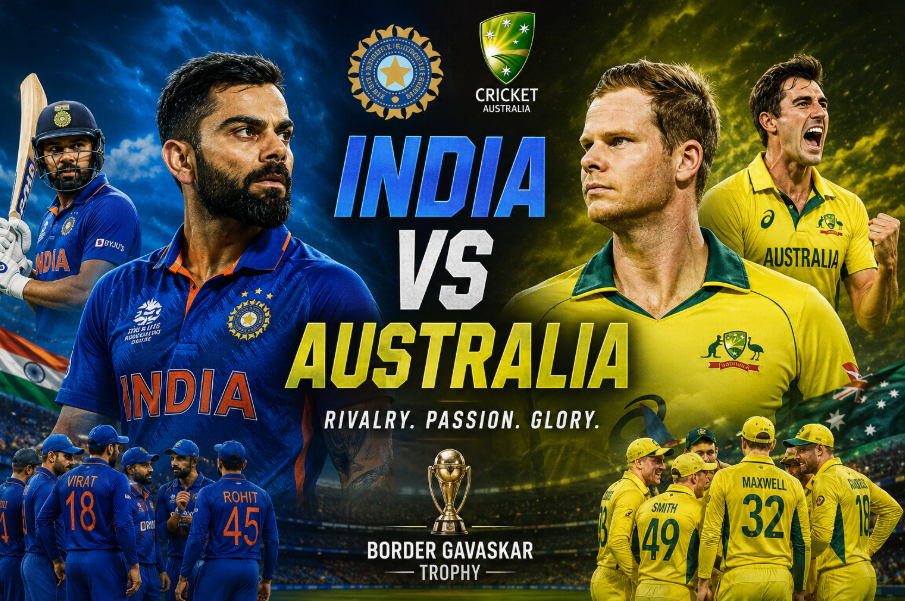
The Australian Men’s Cricket Team vs India National Cricket Team match scorecard from the ICC Cricket World Cup 2023 Final tells the story of one of the most memorable championship matches in modern cricket. Played at Ahmedabad’s Narendra Modi Stadium on 19 November 2023, the contest featured an unbeaten Indian side seeking a third World Cup title and a battle-hardened Australian team chasing a record-extending sixth crown. While India entered the final as overwhelming favorites after dominating the tournament, Australia delivered a masterclass in pressure cricket, producing a disciplined bowling display and a remarkable chase to secure another historic victory.
The 2023 ICC Cricket World Cup Final brought together the two most successful teams of the tournament. India had won all ten matches leading into the final, while Australia had recovered from a slow start to peak at the perfect time.
| Match | ICC Cricket World Cup 2023 Final |
|---|---|
| Venue | Narendra Modi Stadium, Ahmedabad |
| Date | 19 November 2023 |
| Toss | Australia won and elected to field |
| India | 240 all out (50 overs) |
| Australia | 241/4 (43 overs) |
| Result | Australia won by 6 wickets |
| Player of the Match | Travis Head |
| Attendance | Over 92,000 spectators |
The match summary immediately highlights Australia’s control of the key moments. After winning the toss, Australia executed their plans brilliantly, restricting India’s batting and then chasing confidently. The final scorecard may show a six-wicket victory, but the performance was built on exceptional tactical discipline throughout the contest.
India entered the final with enormous momentum, having posted huge totals and dominated opponents throughout the tournament. However, Australia approached the final with a clear strategy: exploit early movement with the ball, restrict boundaries during the middle overs, and apply pressure through relentless fielding.
India posted 240 after a promising start but lost momentum in the middle overs. Australia’s bowlers maintained excellent control, preventing India from accelerating.
In reply, Australia lost early wickets but Travis Head’s extraordinary century transformed the match. His partnership with Marnus Labuschagne became the defining stand of the final.
Toss and Team Decisions
Australia captain Pat Cummins won the toss and chose to field first.
At the time, many observers expected batting first to be advantageous in a World Cup final. However, Cummins believed the surface would become easier under lights and wanted his bowlers to exploit any early assistance.
The decision proved decisive. Australia’s seamers kept India under pressure from the beginning, and the fielding unit prevented easy runs. Later, the dew-free evening conditions made batting considerably more comfortable than anticipated.
The toss decision shaped the entire match. Instead of India setting a dominant target above 300, Australia forced them into a defensive total that was always chaseable.
India Innings Analysis – 240 All Out
India started positively with Rohit Sharma playing his trademark attacking role. His aggressive approach placed Australia under pressure during the powerplay.
However, wickets at critical moments changed the innings. Rohit’s dismissal after a blistering start halted momentum, while the departures of Shreyas Iyer and KL Rahul restricted India’s scoring rate.
| Batter | Runs | Balls | 4s | 6s |
|---|---|---|---|---|
| Rohit Sharma | 47 | 31 | 4 | 3 |
| Shubman Gill | 4 | 7 | 0 | 0 |
| Virat Kohli | 54 | 63 | 4 | 0 |
| Shreyas Iyer | 4 | 3 | 1 | 0 |
| KL Rahul | 66 | 107 | 1 | 0 |
| Suryakumar Yadav | 18 | 28 | 1 | 0 |
| Ravindra Jadeja | 9 | 22 | 0 | 0 |
| Mohammed Shami | 6 | 10 | 0 | 0 |
| Jasprit Bumrah | 1 | 3 | 0 | 0 |
| Kuldeep Yadav | 10 | 18 | 0 | 0 |
| Mohammed Siraj | 9 | 8 | 1 | 0 |
| Extras | 12 | |||
| Total | 240 all out | 50 overs |
The batting scorecard reveals a significant issue for India. Despite half-centuries from Virat Kohli and KL Rahul, neither batter could convert their innings into a match-defining score.
Rohit Sharma’s 47 off 31 balls provided early momentum, but once he departed, Australia’s bowlers tightened control. Rahul’s 66 consumed 107 deliveries, reflecting the difficulty India faced in rotating strike and finding boundaries.
A total of 240 was competitive but below expectations considering India’s batting strength throughout the tournament.
| Bowler | Overs | Runs | Wickets |
|---|---|---|---|
| Mitchell Starc | 10 | 55 | 3 |
| Josh Hazlewood | 10 | 60 | 2 |
| Pat Cummins | 10 | 34 | 2 |
| Glenn Maxwell | 6 | 35 | 1 |
| Adam Zampa | 10 | 44 | 2 |
| Travis Head | 4 | 4 | 0 |
Australia’s bowling figures underline why they won the World Cup. Pat Cummins’ spell was arguably the most important. His wicket of Virat Kohli silenced the crowd and shifted momentum dramatically.
Starc’s three wickets ensured India never launched a late assault, while Zampa controlled the middle overs effectively. The bowling attack functioned as a complete unit rather than relying on one standout performer.
Australia Chase Analysis – 241/4
Australia’s chase began nervously. India struck early through Jasprit Bumrah and Mohammed Shami, reducing Australia to 47/3.
At that stage, India appeared to have regained control. The enormous crowd sensed another dramatic twist.
Then came the partnership that defined the final.
Travis Head attacked selectively while Marnus Labuschagne anchored the innings. Together they absorbed pressure, punished loose deliveries, and gradually removed India from the contest.
Australia eventually reached the target comfortably with seven overs remaining.
| Batter | Runs | Balls | 4s | 6s |
|---|---|---|---|---|
| David Warner | 7 | 3 | 1 | 0 |
| Travis Head | 137 | 120 | 15 | 4 |
| Mitchell Marsh | 15 | 15 | 1 | 1 |
| Steve Smith | 4 | 9 | 1 | 0 |
| Marnus Labuschagne | 58* | 110 | 4 | 0 |
| Glenn Maxwell | 2* | 1 | 0 | 0 |
| Extras | 18 | |||
| Total | 241/4 | 43 overs |
The batting scorecard tells the story of Travis Head’s brilliance. His 137 ranks among the greatest innings played in a World Cup final.
Head balanced aggression with control. He attacked when bowlers erred and remained composed against India’s most dangerous spells.
Labuschagne’s unbeaten 58 may appear modest statistically, but it was invaluable. He provided stability and ensured Australia never lost momentum after the early wickets.
| Bowler | Overs | Runs | Wickets |
|---|---|---|---|
| Jasprit Bumrah | 9 | 43 | 2 |
| Mohammed Shami | 7 | 47 | 1 |
| Mohammed Siraj | 7 | 45 | 1 |
| Ravindra Jadeja | 10 | 43 | 0 |
| Kuldeep Yadav | 10 | 56 | 0 |
India’s bowling figures reflect the impact of Head and Labuschagne. Bumrah bowled exceptionally well and gave India early breakthroughs.
However, once the ball softened and conditions improved, Australia’s batters became increasingly comfortable. India’s spinners, who had dominated much of the tournament, struggled to create chances.
The inability to break the Head-Labuschagne stand ultimately proved decisive.
Important Partnerships
| Partnership | Runs | Players |
|---|---|---|
| India 1st Wicket | 30 | Rohit Sharma & Gill |
| India 3rd Wicket | 67 | Kohli & Rahul |
| Australia 4th Wicket | 192 | Head & Labuschagne |
Partnerships often decide major finals, and the table highlights exactly why Australia lifted the trophy.
India’s best stand was worth 67 runs, but Australia produced a match-winning partnership of 192 runs for the fourth wicket.
The Head-Labuschagne alliance transformed a nervous chase into a comfortable victory. They neutralized India’s attack, absorbed crowd pressure, and steadily shifted momentum toward Australia.
| Player | Team | Performance |
|---|---|---|
| Travis Head | Australia | 137 runs |
| KL Rahul | India | 66 runs |
| Virat Kohli | India | 54 runs |
| Mitchell Starc | Australia | 3 wickets |
| Pat Cummins | Australia | 2 wickets and captaincy masterclass |
| Marnus Labuschagne | Australia | 58* runs |
The standout performer was unquestionably Travis Head. Delivering a century in a World Cup final requires extraordinary composure, and his innings will remain part of cricket history.
Pat Cummins deserves equal praise for tactical leadership. His bowling changes, field placements, and decision to bowl first were central to Australia’s success.
How The Match Was Won
Australia’s victory was built on several interconnected factors.
First, they prevented India from reaching a match-winning total. Throughout the tournament India regularly crossed 300, but Australia restricted them to 240 through disciplined bowling and exceptional fielding.
Second, Cummins recognized the importance of controlling the middle overs. By slowing India’s scoring rate, Australia forced batters into mistakes.
Third, Head and Labuschagne executed the chase perfectly. Rather than panicking after early wickets, they trusted the conditions and backed their skills.
Finally, Australia managed pressure better. World Cup finals often hinge on composure rather than talent alone. Australia remained calm in every phase, while India struggled to regain momentum after losing key wickets.
Rohit Sharma’s dismissal
Rohit was scoring rapidly and looked capable of taking the game away from Australia. His wicket ended India’s aggressive phase and allowed Australia to regain control.
Virat Kohli’s departure
Kohli was India’s most reliable batter throughout the tournament. When Cummins dismissed him, the momentum shifted dramatically toward Australia.
Australia’s fielding effort
Several crucial saves inside the circle prevented easy boundaries and reduced India’s final total significantly.
Early Australian collapse avoided
At 47/3, India sensed an opportunity. Head and Labuschagne’s resilience prevented further damage.
Travis Head’s century
This was the defining moment of the final. Once Head crossed three figures, Australia became overwhelming favorites.
The 192-run partnership
The match was effectively decided during this stand. India simply could not find a breakthrough.
Key Statistics From The Match
| Statistic | India | Australia |
|---|---|---|
| Total Runs | 240 | 241 |
| Boundaries | 16 | 24 |
| Sixes | 3 | 5 |
| Wickets Lost | 10 | 4 |
| Run Rate | 4.80 | 5.60 |
| Highest Partnership | 67 | 192 |
These statistics explain the result clearly. Australia scored faster, hit more boundaries, and lost fewer wickets.
The most striking figure is the highest partnership. Australia’s 192-run stand dwarfed anything India managed and became the foundation of victory.
| Award | Winner |
|---|---|
| Player of the Match | Travis Head |
| Winning Captain | Pat Cummins |
| Highest Score in Match | Travis Head (137) |
| Best Bowling Figures | Mitchell Starc (3 wickets) |
| Most Important Partnership | Head & Labuschagne (192) |
Awards often summarize a final effectively, and every major recognition pointed toward Australia’s dominance.
Head produced one of the greatest innings ever seen in a World Cup final, while Cummins demonstrated why leadership remains a crucial element in championship cricket.
Final Result and Significance
Australia defeated India by six wickets to win the ICC Cricket World Cup 2023.
The victory secured Australia’s sixth World Cup title, extending their record as the most successful team in tournament history. It also reinforced their reputation as cricket’s ultimate big-match side.
For India, the defeat was heartbreaking after an unbeaten run to the final. They dominated the competition but could not deliver their best performance on the biggest day.
For Australia, the triumph added another remarkable chapter to an already legendary cricketing legacy. The final demonstrated the value of experience, tactical clarity, and composure under pressure.
The Australian Men’s Cricket Team vs India National Cricket Team match scorecard from the ICC Cricket World Cup 2023 Final reflects a contest where execution under pressure proved more important than tournament momentum. India entered the final unbeaten and backed by a massive home crowd, but Australia delivered a clinical performance in every department. Their disciplined bowling restricted a powerful batting lineup, while Travis Head’s unforgettable century and Marnus Labuschagne’s composure guided a successful chase. The six-wicket victory secured Australia’s sixth World Cup title and reinforced their reputation as cricket’s ultimate championship team on the biggest stage.
Who won the Australian Men’s Cricket Team vs India National Cricket Team World Cup final?
Australia won the ICC Cricket World Cup 2023 Final by six wickets. Chasing India’s total of 240, Australia reached 241/4 in 43 overs. The victory secured Australia’s sixth World Cup title and reinforced their position as the most successful team in the tournament’s history. Despite India entering the final unbeaten, Australia produced a complete performance with both bat and ball. Their ability to restrict India to a below-par total and then execute a controlled chase proved decisive in the championship match.
Who was the Player of the Match in the World Cup final between Australia and India?
Travis Head was named Player of the Match for his magnificent innings of 137 runs from 120 deliveries. His knock came under significant pressure after Australia lost early wickets in the chase. Head combined attacking stroke play with excellent game awareness, striking 15 fours and four sixes. His partnership with Marnus Labuschagne transformed the match and effectively ended India’s hopes of defending 240. Many cricket experts regard Head’s innings as one of the greatest performances ever produced in a World Cup final.
What was India’s biggest batting challenge during the final?
India struggled to maintain momentum after the dismissal of Rohit Sharma. While Virat Kohli and KL Rahul built a partnership, Australia’s bowlers controlled the middle overs effectively and restricted boundary scoring. India managed only 240 in 50 overs, a total that appeared below par considering their batting strength throughout the tournament. The inability to accelerate during the latter stages of the innings proved costly. Australia’s disciplined bowling plans prevented India from reaching the 280–300 range many analysts considered competitive.
Why was Pat Cummins’ toss decision considered crucial?
Pat Cummins chose to field first after winning the toss, a decision that surprised some observers before the match. However, the Australian captain believed conditions would improve for batting later in the evening. His assessment proved correct. Australia’s bowlers extracted enough assistance to restrict India, while the batting conditions became more manageable during the chase. The decision also allowed Australia to approach the target with complete clarity. Many experts later described the toss call as one of the defining strategic decisions of the final.
What was the most important partnership of the match?
The 192-run fourth-wicket partnership between Travis Head and Marnus Labuschagne was unquestionably the most important stand of the match. Australia were under pressure after losing three wickets early in the chase. Head attacked selectively while Labuschagne anchored the innings with patience and control. Together they neutralized India’s bowling attack and steadily shifted momentum toward Australia. The partnership removed scoreboard pressure and ensured Australia remained firmly in command. Without that stand, the final could have taken a very different direction.
Why is the 2023 World Cup final considered significant in cricket history?
The match is remembered for several reasons. India entered the final unbeaten and carrying enormous expectations, while Australia showcased their remarkable ability to perform under pressure on the biggest stage. Travis Head’s century became one of the finest innings in World Cup final history, and Australia’s sixth title extended an already unmatched record. The contest also highlighted the importance of tactics, fielding, and composure in knockout cricket. As a result, the 2023 final is widely regarded as one of the most consequential matches in modern international cricket.