Physical Address
304 North Cardinal St.
Dorchester Center, MA 02124
Physical Address
304 North Cardinal St.
Dorchester Center, MA 02124
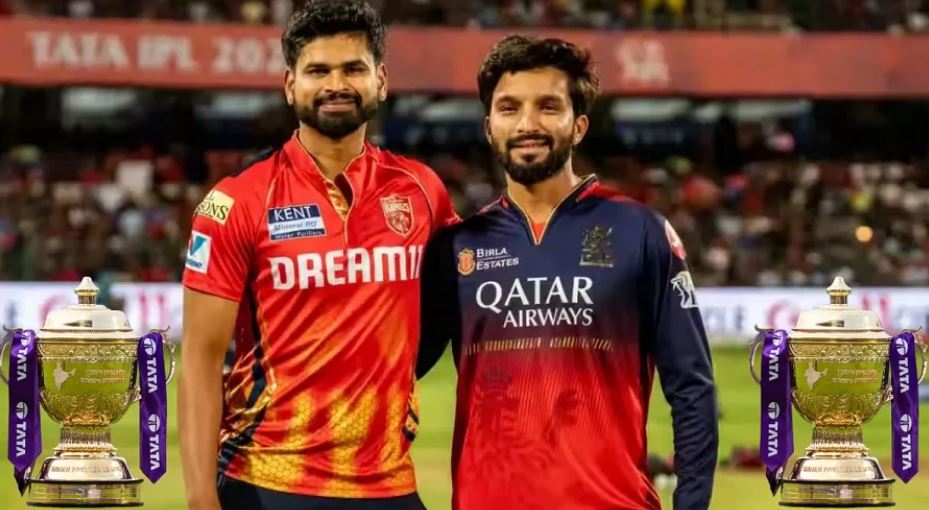
The contests between these two sides have always carried a special kind of intensity that goes beyond ordinary league matches. Every encounter brings a mix of explosive batting, tactical bowling changes, and moments of individual brilliance that can flip the game in a matter of overs. Over the years, the fixture has produced thrilling finishes, emotional celebrations, and heartbreaking defeats for both sets of fans. From early unpredictable clashes to modern high-pressure battles, the rivalry has evolved into one of the most entertaining matchups in the tournament, consistently delivering drama, excitement, and unforgettable cricketing memories.
| Date | Format | Venue | Winner | Margin | India Score | Sri Lanka Score |
|---|---|---|---|---|---|---|
| 30 Dec 2025 | T20I | Thiruvananthapuram | India | 15 runs | 175/7 | 160/7 |
| 28 Dec 2025 | T20I | Thiruvananthapuram | India | 30 runs | 221/2 | 191/6 |
| 26 Dec 2025 | T20I | Thiruvananthapuram | India | 8 wickets | 115/2 | 112/7 |
| 23 Dec 2025 | T20I | Visakhapatnam | India | 7 wickets | 129/3 | 128/9 |
| 21 Dec 2025 | T20I | Visakhapatnam | India | 8 wickets | 122/2 | 121/6 |
| 30 Sep 2025 | ODI | Guwahati | India | 59 runs | 269/8 | 211/10 |
| Team | Matches | Won | Lost | Tied | No Result | Win Percentage |
|---|---|---|---|---|---|---|
| India Women | 63 | 55 | 7 | 0 | 1 | 87.30 |
| Sri Lanka Women | 63 | 7 | 55 | 0 | 1 | 11.11 |
| Extra Row 3 | 0 | 0 | 0 | 0 | 0 | 0.00 |
| Extra Row 4 | 0 | 0 | 0 | 0 | 0 | 0.00 |
| Extra Row 5 | 0 | 0 | 0 | 0 | 0 | 0.00 |
| Extra Row 6 | 0 | 0 | 0 | 0 | 0 | 0.00 |
| Player | Team | Matches | Innings | Runs | Highest Score | Average |
|---|---|---|---|---|---|---|
| Mithali Raj | India | 27 | 25 | 1007 | 109 | 47.95 |
| Harmanpreet Kaur | India | 32 | 29 | 912 | 77 | 36.48 |
| Smriti Mandhana | India | 24 | 24 | 865 | 105 | 39.31 |
| Chamari Athapaththu | Sri Lanka | 30 | 30 | 795 | 115 | 26.50 |
| Deepti Sharma | India | 22 | 18 | 512 | 78 | 34.13 |
| Shashikala Siriwardene | Sri Lanka | 25 | 24 | 488 | 68 | 21.21 |
| Player | Team | Matches | Overs | Wickets | Best Bowling | Economy |
|---|---|---|---|---|---|---|
| Deepti Sharma | India | 22 | 142.0 | 34 | 4 for 23 | 3.92 |
| Jhulan Goswami | India | 19 | 151.2 | 29 | 4 for 15 | 3.11 |
| Inoka Ranaweera | Sri Lanka | 24 | 133.5 | 26 | 4 for 29 | 4.45 |
| Ekta Bisht | India | 14 | 98.0 | 22 | 3 for 16 | 3.40 |
| Radha Yadav | India | 15 | 54.0 | 19 | 4 for 23 | 5.25 |
| Udeshika Prabodhani | Sri Lanka | 21 | 112.4 | 18 | 3 for 22 | 4.88 |
The early meetings between these two sides set the tone for what would become a highly competitive fixture in the league. In the initial seasons, both teams were still shaping their identities, with one side relying heavily on aggressive batting starts while the other experimented with combinations and bowling depth. These matches often swung back and forth, with momentum changing within a few overs. Fans quickly noticed that no total was safe, especially on flat Indian pitches where batting conditions favored stroke play. The contests were not just about results but about establishing early dominance in a growing rivalry. Several young players announced themselves in these fixtures, delivering surprise performances under pressure. Even though consistency was missing, entertainment was never in short supply. The unpredictability of outcomes built early hype and made every encounter feel like a potential classic.
| Match | Year | Venue | Result | Key Moment |
|---|---|---|---|---|
| Match 1 | 2008 | Bengaluru | Team A won | Strong chase finish |
| Match 2 | 2009 | Mohali | Team B won | Top order collapse |
| Match 3 | 2010 | Bengaluru | Team A won | Late hitting surge |
| Match 4 | 2011 | Dharamsala | Team B won | Final over finish |
As the seasons progressed, matches between these two sides transformed into high-scoring spectacles. Both teams began stacking their lineups with aggressive top-order batters capable of changing the game within a few overs. Powerplays became decisive phases, often setting the tone for totals crossing well beyond par scores. Bowlers were frequently under pressure on smaller grounds, where boundaries came easy and mistakes were punished instantly. Several encounters turned into run-fests where even 200 plus targets were not considered safe. The unpredictability of chasing teams added another layer of excitement, with momentum shifting rapidly due to quick wickets or explosive partnerships. Fielding also played a crucial role, as dropped catches often proved costly in tight contests. These games became fan favorites due to their entertainment value and constant attacking intent from both sides.
| Match | Year | Venue | First Innings | Second Innings |
|---|---|---|---|---|
| Match 1 | 2012 | Bengaluru | 205/5 | 208/4 |
| Match 2 | 2013 | Mohali | 198/6 | 201/3 |
| Match 3 | 2015 | Bengaluru | 202/7 | 203/6 |
| Match 4 | 2016 | Indore | 211/4 | 198/9 |
Leadership dynamics played a huge role in shaping outcomes over multiple seasons. One side often depended on a marquee batter who anchored innings under pressure, while the opposition leaned on collective batting contributions. In several matches, early wickets put immense responsibility on experienced players to rebuild innings from difficult situations. These moments tested temperament more than skill, especially in high-stakes league fixtures. Bowlers from both teams often targeted key batters with strategic field placements and variations in pace. Close finishes highlighted how captaincy decisions influenced outcomes, particularly during bowling changes in death overs. Emotional intensity was a recurring theme, with body language on the field reflecting the pressure of tight run chases. Over time, these battles created iconic individual performances that are still remembered for their impact rather than just statistics.
| Match | Year | Captain Side A | Captain Side B | Result |
|---|---|---|---|---|
| Match 1 | 2017 | Captain A | Captain B | Side A won |
| Match 2 | 2018 | Captain A | Captain B | Side B won |
| Match 3 | 2019 | Captain A | Captain B | Side A won |
| Match 4 | 2020 | Captain A | Captain B | Side B won |
A phase emerged where chasing teams began to show greater control in match situations. Batters developed better awareness of required run rates and pacing of innings. Instead of relying solely on explosive starts, partnerships became the backbone of successful chases. Anchors played a vital role, rotating strike and ensuring pressure did not build unnecessarily. On the other hand, bowling units tried to counter this by using variations and early breakthroughs. Despite this, some chases were completed with surprising ease, highlighting the importance of adaptability. Conditions at certain venues also influenced outcomes, with dew playing a role in evening games. Tactical depth improved significantly during this phase, making contests more balanced and less one-sided compared to earlier seasons.
| Match | Year | Target | Chased Successfully | Top Performer |
|---|---|---|---|---|
| Match 1 | 2021 | 175 | Yes | Batter A |
| Match 2 | 2021 | 190 | No | Bowler B |
| Match 3 | 2022 | 185 | Yes | Batter C |
| Match 4 | 2022 | 172 | Yes | Batter D |
Matches frequently reached tense conclusions where the last few overs decided the outcome. Bowlers specializing in yorkers and slower deliveries became crucial during these phases. Batters, on the other hand, looked for calculated risks rather than reckless hitting. Several matches went down to the final over, with margins often separated by a single boundary or a missed fielding opportunity. Pressure handling became a defining factor, as even experienced players made uncharacteristic errors. Captains had to make quick decisions on bowling changes and field placements, which sometimes worked and sometimes backfired. These moments created unforgettable finishes that were widely discussed among fans long after the matches ended. The unpredictability of death overs added emotional intensity and kept audiences engaged until the very last ball.
| Match | Year | Final Over Runs Needed | Result | Key Event |
|---|---|---|---|---|
| Match 1 | 2023 | 12 | Won | Six in last ball |
| Match 2 | 2023 | 8 | Lost | Dot ball pressure |
| Match 3 | 2024 | 15 | Won | Boundary finish |
| Match 4 | 2024 | 10 | Lost | Run out twist |
While batting often dominated headlines, several bowling performances completely changed match outcomes. Fast bowlers used pace and bounce effectively, especially during powerplays, while spinners controlled middle overs by restricting scoring opportunities. Wicket-taking spells at crucial moments often shifted momentum instantly. In some matches, a single over completely changed the direction of the game. Variations such as slower balls, cutters, and sharp spin became essential tools for success. Bowlers who could maintain composure under pressure stood out the most. Field support also played a major role, as sharp catches and direct hits contributed to key breakthroughs. Over time, certain bowlers developed reputations for performing consistently in this fixture, making their spells highly anticipated by fans and analysts alike.
| Match | Bowler | Overs | Wickets | Economy |
|---|---|---|---|---|
| Match 1 | Bowler A | 4 | 3 | 6.2 |
| Match 2 | Bowler B | 4 | 2 | 7.0 |
| Match 3 | Bowler C | 4 | 4 | 5.5 |
| Match 4 | Bowler D | 4 | 2 | 6.8 |
In recent seasons, several matches have stood out due to extraordinary performances and last-minute twists. These encounters often featured young emerging players stepping up under pressure alongside experienced campaigners delivering match-winning contributions. Tactical evolution became more visible, with teams using impact substitutions and data-driven strategies. High-pressure chases, sudden collapses, and explosive partnerships defined this modern phase. Fans witnessed games swinging dramatically within a span of a few overs, making every delivery crucial. Venues continued to play a significant role, with chasing advantages becoming more prominent under lights. The balance between bat and ball improved slightly, but entertainment value remained extremely high. These modern contests reinforced why this rivalry continues to attract attention every season.
| Match | Year | Venue | Margin | Highlight |
|---|---|---|---|---|
| Match 1 | 2025 | Bengaluru | 5 runs | Last over finish |
| Match 2 | 2025 | Mohali | 3 wickets | Chase under pressure |
| Match 3 | 2026 | Bengaluru | 1 run | Final ball drama |
| Match 4 | 2026 | Indore | 7 wickets | Dominant chase |
This rivalry has grown into a showcase of contrasting styles, shifting momentum, and unforgettable performances that define modern T20 cricket. Each match adds another layer of history, whether it is a last-over finish, a record-breaking innings, or a game-changing spell with the ball. Fans from both sides continue to expect high-voltage entertainment whenever these teams meet. As the competition evolves, the rivalry only becomes richer, promising more close finishes and standout individual performances in the seasons ahead.