Physical Address
304 North Cardinal St.
Dorchester Center, MA 02124
Physical Address
304 North Cardinal St.
Dorchester Center, MA 02124
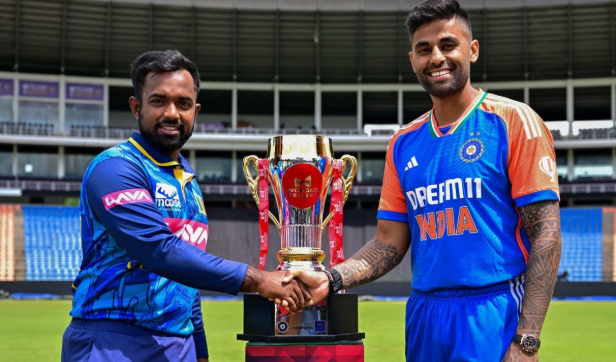
The cricket rivalry between these two Asian teams has grown into one of the most fascinating stories in international cricket. What began as uneven early encounters slowly transformed into a competitive battle filled with unforgettable moments, emotional highs, and tactical evolution. Over the decades, both sides have produced legendary performances, from dominant batting displays to match-winning spells that shifted entire series. Fans from both nations have witnessed dramatic finishes, World Cup pressure games, and iconic partnerships that still define cricket conversations today. This timeline reflects not just results, but the journey of two teams shaping each other’s cricketing identity across generations and formats.
| Date | Venue | Format | Winner | Margin | First Innings Score | Second Innings Score |
|---|---|---|---|---|---|---|
| 07 Aug 2024 | Colombo | ODI | Sri Lanka | Sri Lanka won by 110 runs | SL 248/7 | IND 138/10 |
| 04 Aug 2024 | Colombo | ODI | Sri Lanka | Sri Lanka won by 32 runs | SL 240/9 | IND 208/10 |
| 02 Aug 2024 | Colombo | ODI | Tied | Match Tied | SL 230/8 | IND 230/10 |
| 30 Jul 2024 | Pallekele | T20I | India | India won Super Over | IND 137/9 | SL 137/8 |
| 28 Jul 2024 | Pallekele | T20I | India | India won by 7 wickets | SL 161/9 | IND 134/3 |
| 27 Jul 2024 | Pallekele | T20I | India | India won by 43 runs | IND 213/7 | SL 170/10 |
| 02 Nov 2023 | Mumbai | ODI | India | India won by 302 runs | IND 357/8 | SL 55/10 |
| Team | Format | Matches | Won | Lost | Tied | No Result |
|---|---|---|---|---|---|---|
| India | Test | 46 | 22 | 7 | 0 | 17 |
| Sri Lanka | Test | 46 | 7 | 22 | 0 | 17 |
| India | ODI | 171 | 99 | 59 | 2 | 11 |
| Sri Lanka | ODI | 171 | 59 | 99 | 2 | 11 |
| India | T20I | 33 | 23 | 9 | 1 | 0 |
| Sri Lanka | T20I | 33 | 9 | 23 | 1 | 0 |
| Combined | Overall | 250 | 144 | 90 | 3 | 28 |
| Player | Team | Matches | Innings | Runs | Highest Score | Average |
|---|---|---|---|---|---|---|
| Sachin Tendulkar | India | 84 | 80 | 3113 | 137 | 43.84 |
| Sanath Jayasuriya | Sri Lanka | 89 | 85 | 2899 | 189 | 36.23 |
| Kumar Sangakkara | Sri Lanka | 56 | 54 | 2700 | 138 | 57.44 |
| Mahela Jayawardene | Sri Lanka | 87 | 82 | 2666 | 128 | 35.07 |
| Virat Kohli | India | 53 | 51 | 2594 | 166 | 63.26 |
| MS Dhoni | India | 67 | 53 | 2383 | 183 | 64.40 |
| Rohit Sharma | India | 55 | 53 | 1968 | 264 | 43.73 |
| Player | Team | Matches | Innings | Wickets | Best Bowling | Average |
|---|---|---|---|---|---|---|
| Muttiah Muralitharan | Sri Lanka | 63 | 62 | 74 | 7/30 | 31.78 |
| Chaminda Vaas | Sri Lanka | 61 | 60 | 70 | 5/14 | 31.61 |
| Harbhajan Singh | India | 47 | 44 | 61 | 5/56 | 26.95 |
| Zaheer Khan | India | 48 | 47 | 66 | 5/42 | 32.18 |
| Lasith Malinga | Sri Lanka | 40 | 39 | 56 | 5/34 | 32.00 |
| Kuldeep Yadav | India | 23 | 22 | 42 | 4/43 | 21.57 |
| Mohammed Siraj | India | 12 | 12 | 25 | 6/21 | 16.12 |
The first meetings between the two sides marked the beginning of a long cricketing relationship in Asia. In the early years, one team had a stronger structure, deeper batting lineup, and more international experience, which reflected clearly in the match results. The other side was still developing but showed early signs of resilience, especially in pressure situations. These matches were often one-sided on paper, but they created the foundation of future competition. As time passed, both teams began understanding each other’s playing styles, strengths, and weaknesses. The early contests were not just about results but also about exposure and learning at the highest level. Fans slowly started noticing the emotional intensity building between the two sides. Even when the scorecards showed dominance from one side, the competitive spirit of the other hinted that this rivalry would grow into something far more balanced in the coming years.
| Year | Format | Venue | Result | Margin |
|---|---|---|---|---|
| 1979 | ODI | Manchester | Team A won | 9 wickets |
| 1982 | ODI | Colombo | Team A won | 38 runs |
| 1985 | ODI | Sharjah | Team A won | 5 wickets |
| 1986 | ODI | Sharjah | Team A won | 7 wickets |
As international cricket evolved, the gap between the two sides started reducing significantly. One team began producing world-class match-winners who changed the direction of games with both bat and ball. The other side also developed a fearless identity, especially in limited-overs cricket, where aggressive batting and smart spin bowling became their strength. Matches during this phase were no longer predictable. Scorecards started showing closer margins, and individual brilliance often decided outcomes. This period marked the transformation of the rivalry from a one-sided contest into a genuine competitive battle. Coaches and analysts began studying matchups more deeply, especially focusing on spin vs batting weaknesses. The intensity on the field also increased, with players showing more aggression and confidence. Fans from both sides started treating every match as important, regardless of the tournament stage or format.
| Year | Format | Venue | Winner | Key Performer |
|---|---|---|---|---|
| 1992 | ODI | Melbourne | Sri Lanka | Top order batter |
| 1993 | ODI | Sharjah | India | Middle order batter |
| 1995 | ODI | Colombo | Sri Lanka | Spinner |
| 1996 | ODI | Delhi | India | Fast bowler |
Global tournaments added a completely new dimension to this rivalry. When both teams met in World Cups or Asia Cup stages, the pressure level increased dramatically. Players were not only competing for victory but also for national pride on a global stage. Several matches during this period became turning points in cricket history due to unexpected performances and dramatic collapses. Scorecards from these games often showed momentum shifts that changed within a few overs. Batting lineups were tested under pressure, and bowlers were forced to adapt quickly to changing conditions. These encounters also produced unforgettable innings that are still discussed among fans. Emotional reactions from stadiums and supporters added further intensity. Each tournament clash felt bigger than a normal bilateral series, making every ball crucial and every mistake costly.
| Year | Tournament | Stage | Winner | Highlight |
|---|---|---|---|---|
| 1996 | World Cup | Semi Final | Sri Lanka | Dominant batting |
| 1999 | World Cup | Group Stage | India | Bowling performance |
| 2003 | World Cup | Group Stage | India | Chase success |
| 2007 | World Cup | Group Stage | Sri Lanka | All round control |
During this phase, strategy became more important than raw talent alone. One side developed a strong spin attack that troubled even the best batting lineups in the world. The other side focused on building technically solid batsmen who could survive long spells of pressure. Matches often turned into tactical battles where patience mattered as much as aggression. Captains played a key role in field placements and bowling rotations. Scorecards frequently showed middle-order collapses or slow rebuilding partnerships depending on conditions. This era highlighted how preparation and planning could completely change match outcomes. Analysts often pointed out how one team adapted faster to pitch conditions, especially in subcontinental environments. Rivalry intensity increased because neither side could dominate consistently, making each match unpredictable and exciting.
| Year | Format | Venue | Winner | Key Factor |
|---|---|---|---|---|
| 2001 | Test | Colombo | Sri Lanka | Spin attack |
| 2002 | ODI | Mumbai | India | Batting depth |
| 2004 | ODI | Colombo | Sri Lanka | Bowling control |
| 2005 | Test | Delhi | India | Partnership batting |
With the introduction of T20 cricket, the rivalry gained a completely new dimension. Matches became shorter, faster, and more explosive. Momentum shifted rapidly within a few overs, making every ball extremely valuable. Both teams adapted differently to this format, with one focusing on aggressive batting starts while the other relied on disciplined bowling strategies. Finishing skills became crucial, and players who could handle pressure in the final overs became match-winners. Scorecards from this era often reflected high run rates, quick wickets, and dramatic finishes. The unpredictability of the format added excitement for fans, who began following every game closely. This period also produced iconic individual performances that defined modern limited-overs cricket between the two sides.
| Year | Format | Venue | Winner | Finish Type |
|---|---|---|---|---|
| 2007 | T20 | Johannesburg | India | Close chase |
| 2009 | T20 | London | Sri Lanka | Defended total |
| 2010 | T20 | Colombo | India | Super over style pressure |
| 2012 | T20 | Colombo | Sri Lanka | Comfortable win |
One of the most significant moments in the rivalry came during a World Cup final that remains etched in cricket history. The match carried immense emotional weight, with both teams showcasing exceptional skill under pressure. The batting side built a strong and composed innings, while the chasing team responded with resilience and calm decision-making. The final overs created unforgettable tension as the result hung in balance. Players from both sides delivered performances that defined their careers. The crowd atmosphere added to the intensity, making it one of the most watched cricket events globally. The scorecard from this match is still analyzed for its strategic depth and execution under pressure. This encounter elevated the rivalry into legendary status.
| Year | Match | Venue | Winner | Key Moment |
|---|---|---|---|---|
| 2011 | Final | Mumbai | India | Finishing partnership |
| 2011 | Final | Mumbai | Sri Lanka | Century innings |
| 2011 | Final | Mumbai | India | Chase stability |
| 2011 | Final | Mumbai | India | Winning shot |
In recent years, the rivalry has shifted toward one-sided dominance in most formats. One side has built a strong, consistent team with depth in both batting and bowling. The other side has gone through rebuilding phases, introducing young players and experimenting with combinations. Despite the gap, matches still attract attention due to historical rivalry value. Scorecards now often show higher margins, but occasional surprises keep the contest alive. The evolution of fitness, analytics, and T20 influence has changed playing styles significantly. Even though results may not always be balanced, the emotional connection between fans remains strong. Every encounter still carries the weight of history, making it more than just another international fixture.
| Year | Format | Venue | Winner | Margin |
|---|---|---|---|---|
| 2016 | ODI | Colombo | India | 8 wickets |
| 2017 | Test | Delhi | India | Innings win |
| 2019 | ODI | Colombo | India | 6 wickets |
| 2023 | ODI | Colombo | India | 10 wickets |
This rivalry stands as a powerful reminder of how cricket evolves through time, competition, and shared history. From early one-sided contests to world stage classics and modern-day battles, both teams have contributed to some of the most memorable moments in the sport. Players came and went, strategies changed, and formats evolved, yet the emotional intensity never faded. Even when one side dominated certain eras, the other always found ways to rise again and challenge expectations. Today, the rivalry continues to carry historical weight, reminding fans that every encounter is part of a much larger cricketing legacy built over decades.