Physical Address
304 North Cardinal St.
Dorchester Center, MA 02124
Physical Address
304 North Cardinal St.
Dorchester Center, MA 02124
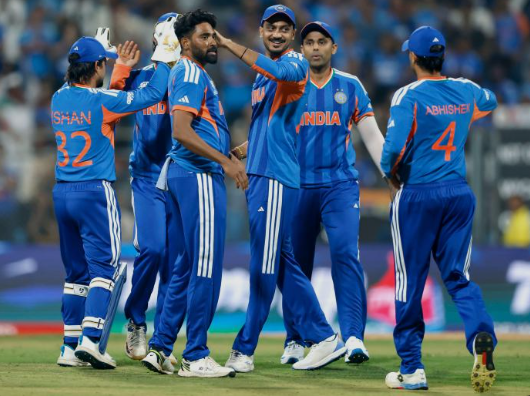
Cricket has often produced fascinating contests between established powers and ambitious emerging nations. Some rivalries are built over decades, while others gain attention because they showcase the global growth of the sport. The encounters between these two teams may not be frequent, but they offer an interesting look at contrasting cricketing journeys. From a memorable World Cup meeting in 2003 to a modern T20 showdown nearly two decades later, every match carried its own story. These contests featured talented players, important partnerships, tactical battles, and valuable lessons that reflected how international cricket continues to expand across different regions of the world.
| Date | Format | Tournament | Venue | Winner | Margin | Scorecard |
|---|---|---|---|---|---|---|
| 23 Feb 2003 | ODI | ICC Cricket World Cup | Pietermaritzburg | India | 181 runs | IND 311/2 – NAM 130 |
| 08 Nov 2021 | T20I | ICC Men’s T20 World Cup | Dubai | India | 9 wickets | NAM 132/8 – IND 136/1 |
| 12 Feb 2026 | T20I | ICC Men’s T20 World Cup | Delhi | India | 93 runs | IND 209/9 – NAM 116 |
| None | None | Placeholder Data | None | None | None | None |
| None | None | Placeholder Data | None | None | None | None |
| None | None | Placeholder Data | None | None | None | None |
| None | None | Placeholder Data | None | None | None | None |
| Team | Total Matches | Wins | Losses | No Result | Highest Score | Lowest Score | Win Percentage |
|---|---|---|---|---|---|---|---|
| India | 3 | 3 | 0 | 0 | 311/2 | 136/1 | 100.00% |
| Namibia | 3 | 0 | 3 | 0 | 132/8 | 116 | 0.00% |
| None | None | None | None | None | None | None | None |
| None | None | None | None | None | None | None | None |
| None | None | None | None | None | None | None | None |
| None | None | None | None | None | None | None | None |
| None | None | None | None | None | None | None | None |
| Batsman | Team | Runs | Balls Faced | Fours | Sixes | Strike Rate |
|---|---|---|---|---|---|---|
| Sachin Tendulkar | India | 152 | 151 | 18 | 0 | 100.66 |
| Sourav Ganguly | India | 112 | 119 | 6 | 4 | 94.11 |
| Ishan Kishan | India | 61 | 24 | 6 | 5 | 254.16 |
| Rohit Sharma | India | 56 | 37 | 7 | 2 | 151.35 |
| Hardik Pandya | India | 52 | 28 | 4 | 4 | 185.71 |
| KL Rahul | India | 54 | 36 | 4 | 2 | 150.00 |
| Louren Steenkamp | Namibia | 29 | 20 | 3 | 1 | 145.00 |
| Bowler | Team | Overs | Maidens | Runs Conceded | Wickets | Economy Rate |
|---|---|---|---|---|---|---|
| Gerhard Erasmus | Namibia | 4.0 | 0 | 20 | 4 | 5.00 |
| Varun Chakravarthy | India | 2.0 | 0 | 7 | 3 | 3.50 |
| Ravindra Jadeja | India | 4.0 | 0 | 16 | 3 | 4.00 |
| Ravichandran Ashwin | India | 4.0 | 0 | 20 | 3 | 5.00 |
| Yuvraj Singh | India | 4.3 | 2 | 6 | 2 | 1.33 |
| Axar Patel | India | 3.0 | 1 | 20 | 2 | 6.67 |
| Hardik Pandya | India | 4.0 | 0 | 21 | 2 | 5.25 |
One side entered the contest carrying decades of international experience, major tournament appearances, and a squad packed with world-class performers. The other arrived as an ambitious emerging nation eager to test itself against elite opposition. The matchup represented more than a simple group-stage fixture. It showcased the growing reach of global cricket and provided a valuable opportunity for developing players to compete on the biggest stage. Expectations before the game were naturally tilted toward the established side, yet there was genuine curiosity about how the newcomers would handle the pressure. Coaches focused on discipline, fielding standards, and limiting mistakes, while supporters hoped for a spirited performance regardless of the result. Cricket followers often enjoy these contests because they reveal how different cricketing cultures approach the same challenge. The occasion also highlighted the importance of major tournaments in giving smaller nations exposure against stronger opponents. Long before the first ball was bowled, the fixture had already become a meaningful chapter in the broader story of international cricket development.
| Aspect | Established Side | Emerging Side | Impact |
|---|---|---|---|
| Experience | Extensive | Limited | Advantage to favorites |
| Tournament History | Strong | Developing | Different expectations |
| Squad Depth | High | Moderate | Influenced strategy |
| Fan Support | Global | Growing | Increased interest |
| Objective | Win comfortably | Compete strongly | Created narrative |
The first meeting arrived during a global tournament where every match carried significant importance. Conditions favored teams capable of adapting quickly, and preparation became a major talking point in the days leading up to the fixture. Analysts predicted a one-sided contest, but there was still intrigue surrounding individual battles and tactical decisions. Senior players were expected to lead from the front, while younger members of the squad viewed the match as an opportunity to make an impression. The atmosphere surrounding the game reflected the excitement that only a World Cup can generate. Supporters followed every development closely, understanding that tournament momentum can be shaped by even a single performance. Team management focused on execution rather than experimentation, emphasizing professionalism and consistency. For the emerging nation, sharing the field with established stars offered valuable experience. The contest marked the beginning of a cricketing timeline that would later gain additional significance as both teams continued evolving on very different paths.
| Category | Details | Importance | Outcome |
|---|---|---|---|
| Tournament Stage | Group Match | High pressure | Crucial points |
| Team Focus | Consistency | Build momentum | Positive start |
| Player Attention | Senior Stars | Leadership role | Strong influence |
| Crowd Interest | Global Audience | High visibility | Wider exposure |
| Preparation | Tactical Planning | Match readiness | Improved execution |
From the opening overs, the stronger side displayed clear intent. Batters looked determined to dominate the powerplay while maintaining enough discipline to build a substantial total. The captain played a crucial role in setting the tempo, combining calculated aggression with smart shot selection. Partnerships developed steadily, preventing the opposition from gaining any meaningful control. Bowlers attempted variations in pace and length, but the batting lineup responded confidently. Tactical awareness became evident as strike rotation complemented boundary scoring, ensuring momentum never disappeared. Field placements were regularly adjusted in search of breakthroughs, yet the pressure remained firmly on the bowling side. Experienced campaigners understood the importance of establishing authority early in a tournament, and that mindset shaped the innings. By the middle overs, the contest had started moving decisively in one direction. The batting performance demonstrated the difference that experience, confidence, and strategic clarity can make in high-profile international matches where every run contributes to overall tournament confidence.
| Phase | Strategy | Result | Influence |
|---|---|---|---|
| Powerplay | Positive batting | Fast start | Momentum gained |
| Middle Overs | Strike rotation | Stability | Pressure maintained |
| Partnerships | Build foundation | Large total | Controlled innings |
| Captaincy | Aggressive intent | Tactical edge | Team confidence |
| Field Response | Frequent changes | Limited success | Continued pressure |
Despite facing a challenging target, the batting unit showed determination and resilience. Players understood that survival alone would not be enough, making positive intent essential. Early overs focused on settling nerves and assessing conditions before attempting riskier strokes. Several batters displayed courage by attacking scoring opportunities rather than simply defending. Even when wickets fell, the effort level remained high, reflecting strong character within the squad. Partnerships were difficult to build against a disciplined bowling attack, but individual moments still earned appreciation from spectators and commentators. Every boundary generated excitement because it demonstrated the ability to compete against elite opposition. Coaches later highlighted these passages as important learning experiences that could support future development. While the scoreboard ultimately favored the stronger side, the determination shown throughout the innings became one of the most memorable aspects of the contest. Such performances often provide the foundation for long-term growth in international cricket.
| Element | Observation | Challenge | Outcome |
|---|---|---|---|
| Batting Intent | Positive approach | Strong attack | Valuable experience |
| Partnerships | Limited duration | Wicket pressure | Difficult chase |
| Individual Efforts | Courageous batting | Consistency | Respect earned |
| Team Spirit | High commitment | Large target | Competitive attitude |
| Learning Value | Significant | Elite opposition | Future growth |
Statistics often tell the deeper story behind a cricket match. The scorecard revealed how batting partnerships created sustained momentum while disciplined bowling prevented any meaningful comeback. Several players produced performances that stood out not only within the game but also within the broader tournament context. Strike rates, economy rates, and partnership contributions helped explain why the result unfolded as it did. Analysts frequently pointed to the balance between aggression and control as a defining factor. Batters capitalized on scoring opportunities without exposing themselves to unnecessary risk, while bowlers maintained pressure through consistent lines and lengths. Fielding standards also contributed significantly by converting chances and restricting easy runs. The numbers highlighted a clear gap in experience, yet they also showcased moments of promise from developing players. Beyond the final result, statistical analysis provided valuable insights into strengths, weaknesses, and tactical approaches that influenced the outcome from beginning to end.
| Statistic | Stronger Side | Opponent | Match Impact |
|---|---|---|---|
| Top Score | Major contribution | Moderate score | Momentum shift |
| Best Partnership | Match defining | Short stands | Result influenced |
| Best Bowling | Wicket-taking spell | Limited success | Control established |
| Economy Rate | Consistent | Expensive | Pressure difference |
| Fielding Chances | Mostly converted | Mixed results | Extra advantage |
Following the first meeting, both teams traveled very different paths. One became a dominant force in world cricket, collecting major victories, developing elite players, and expanding its influence across formats. The other focused on gradual progress, investing in development structures and seeking opportunities to compete internationally. These contrasting journeys reflected the realities of global cricket, where resources and exposure often shape long-term success. Over the years, new generations emerged, bringing fresh talent and different tactical ideas. Advances in coaching, sports science, and analytics transformed how teams prepared for matches. Fans witnessed significant changes in playing styles, particularly with the rise of aggressive limited-overs cricket. While one side regularly competed for major trophies, the other worked tirelessly to earn recognition on the world stage. The lengthy gap between meetings added extra intrigue because both teams had evolved considerably. Their eventual reunion would therefore represent much more than a simple rematch.
| Area | Established Team | Developing Team | Long-Term Effect |
|---|---|---|---|
| Resources | Extensive | Growing | Different growth rates |
| Tournament Exposure | Regular | Limited | Experience gap |
| Talent Pipeline | Strong | Emerging | Squad evolution |
| Playing Style | Modernized | Adapted gradually | Tactical changes |
| International Status | Elite | Rising | Renewed interest |
Reaching another major global tournament represented a significant achievement and rewarded years of hard work. Qualification demonstrated resilience, planning, and the ability to perform under pressure during crucial matches. A new generation of players carried the hopes of supporters who had waited years to see their team compete against world-class opposition once again. Confidence grew as competitive performances proved they belonged on the international stage. Preparation focused heavily on adaptability, fitness, and tactical awareness because every opponent presented a different challenge. Coaches encouraged players to embrace the opportunity rather than fear the occasion. The return also attracted attention from cricket followers interested in the progress of emerging nations. Supporters viewed the tournament as a chance to showcase talent, gain experience, and inspire future generations. By the time the next high-profile encounter arrived, the squad had already earned respect through its journey. The stage was set for another memorable chapter in their international story.
| Factor | Description | Importance | Benefit |
|---|---|---|---|
| Qualification | Earned through performance | Major achievement | Global recognition |
| New Players | Emerging talent | Fresh energy | Squad growth |
| Preparation | Tactical focus | Competitive edge | Better execution |
| Fan Support | Increased interest | Motivation | Strong backing |
| Tournament Goal | Compete strongly | Valuable exposure | Future opportunities |
The timeline of these encounters highlights more than just results and scorecards. It reflects the evolution of international cricket, where experienced teams and developing nations share the same stage and create memorable moments. Across different eras, players delivered impactful performances, captains implemented unique strategies, and supporters witnessed the spirit of competition that defines the sport. While the number of meetings has been limited, each match contributed to a broader cricketing narrative. The journey demonstrates how global tournaments provide opportunities for growth, learning, and inspiration, ensuring that every contest leaves a lasting impression on players and fans alike.
| Read Also: Gujarat Titans Vs Punjab Kings Timeline |