Physical Address
304 North Cardinal St.
Dorchester Center, MA 02124
Physical Address
304 North Cardinal St.
Dorchester Center, MA 02124
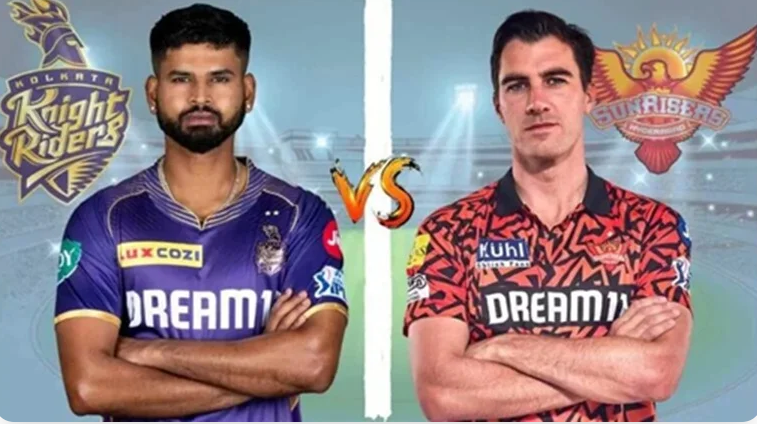
The competitive journey between the two franchises has evolved into one of the most intriguing contests in the league. From early mismatches to evenly balanced battles, each encounter has added new layers of intensity, strategy, and emotion. What began as a simple fixture slowly transformed into a high-pressure rivalry shaped by tactical brilliance, individual performances, and shifting momentum. Bowlers often dominated the early phase, while batters later defined modern encounters with explosive intent. Over time, every meeting became more than just a match, reflecting pride, consistency, and adaptability under pressure across changing seasons and conditions.
| Date | Venue | Winner | Margin | First Innings Score | Second Innings Score | Season |
| 29 April 2026 | Mumbai | Sunrisers Hyderabad | 6 wickets | 243/5 | 249/4 | 2026 |
| 23 April 2025 | Hyderabad | Mumbai Indians | 7 wickets | 144/7 | 145/3 | 2025 |
| 17 April 2025 | Mumbai | Mumbai Indians | 4 wickets | 162/5 | 166/6 | 2025 |
| 06 May 2024 | Mumbai | Mumbai Indians | 7 wickets | 173/8 | 174/3 | 2024 |
| 27 March 2024 | Hyderabad | Sunrisers Hyderabad | 31 runs | 277/3 | 246/5 | 2024 |
| 21 May 2023 | Mumbai | Mumbai Indians | 8 wickets | 200/5 | 201/2 | 2023 |
| 18 April 2023 | Hyderabad | Mumbai Indians | 14 runs | 192/5 | 178/10 | 2023 |
| Metric | Mumbai Indians | Sunrisers Hyderabad |
| Total Matches Played | 25 | 25 |
| Total Wins | 15 | 10 |
| Highest Team Score | 246/5 | 277/3 |
| Lowest Team Score | 87/10 | 96/10 |
| Average First Innings Runs | 174 | 168 |
| Wins When Batting First | 8 | 5 |
| Wins When Chasing | 7 | 5 |
| Batsman | Team | Matches | Innings | Total Runs | Highest Score | Strike Rate |
| Rohit Sharma | Mumbai Indians | 21 | 21 | 535 | 70 | 134.42 |
| David Warner | Sunrisers Hyderabad | 12 | 12 | 524 | 90 | 142.39 |
| Suryakumar Yadav | Mumbai Indians | 14 | 13 | 447 | 102 | 149.50 |
| Shikhar Dhawan | Sunrisers Hyderabad | 12 | 12 | 436 | 82 | 128.61 |
| Heinrich Klaasen | Sunrisers Hyderabad | 6 | 6 | 244 | 65 | 184.84 |
| Kieron Pollard | Mumbai Indians | 17 | 15 | 231 | 78 | 145.28 |
| Tilak Varma | Mumbai Indians | 7 | 6 | 210 | 69 | 139.07 |
| Bowler | Team | Matches | Overs | Wickets | Best Bowling | Economy Rate |
| Bhuvneshwar Kumar | Sunrisers Hyderabad | 18 | 68.2 | 20 | 3/21 | 7.45 |
| Jasprit Bumrah | Mumbai Indians | 15 | 58.0 | 17 | 3/24 | 7.91 |
| Rashid Khan | Sunrisers Hyderabad | 10 | 40.0 | 12 | 3/19 | 6.22 |
| Lasith Malinga | Mumbai Indians | 9 | 35.4 | 11 | 4/23 | 7.18 |
| Hardik Pandya | Mumbai Indians | 14 | 38.0 | 10 | 3/28 | 8.52 |
| Mitchell McClenaghan | Mumbai Indians | 8 | 31.0 | 9 | 3/16 | 8.12 |
| Sandeep Sharma | Sunrisers Hyderabad | 7 | 26.0 | 8 | 3/25 | 7.85 |
The early years of competition between the two sides began with contrasting identities. One team entered the league with a fresh structure and a focus on building a balanced squad, while the other had already established itself as a dominant force with multiple title ambitions. The early encounters reflected this gap, with experienced leadership and stronger finishing ability often deciding matches. In these initial clashes, the contests were shaped more by disciplined bowling performances than explosive batting displays. The atmosphere around these matches gradually built tension as both squads started recognizing each other as serious contenders. Over time, the competitive balance slowly shifted as the newer side improved its squad depth and tactical planning. What started as a one-sided phase eventually became a more balanced rivalry where every match began to matter in playoff qualification scenarios.
| Season | Winner | Margin | Top Performer | Venue |
| 2013 | Mumbai Indians | 7 wickets | Rohit Sharma | Hyderabad |
| 2014 | Sunrisers Hyderabad | 15 runs | Dale Steyn | Mumbai |
| 2015 | Mumbai Indians | 20 runs | Kieron Pollard | Hyderabad |
| 2016 | Sunrisers Hyderabad | 85 runs | David Warner | Delhi |
As the rivalry progressed, tactical awareness became a defining factor. Captains started focusing heavily on matchups, especially during powerplay overs where early wickets often dictated the flow of the game. One side relied on strong pace attacks, while the other leaned on spin variations to control the middle overs. These contrasting strategies created unpredictable matches where momentum shifted rapidly. Batting units were often challenged by disciplined bowling spells that restricted scoring opportunities. Field placements became more aggressive, especially during crucial phases of the innings. The contests also began to highlight weaknesses in chasing under pressure, where teams struggled to maintain required run rates. Over time, both sides adapted their strategies based on past performances, making each encounter more analytical and less dependent on individual brilliance alone.
| Match Phase | Strategy Focus | Key Strength | Weakness Exposed | Impact |
| Powerplay | Early wickets | Fast bowling | Top order inconsistency | High |
| Middle overs | Run control | Spin attack | Slow scoring | Medium |
| Death overs | Finishing | Power hitters | Bowling under pressure | High |
| Chase phase | Run rate control | Experience | Pressure handling | Very High |
A significant phase of this rivalry was dominated by bowlers who consistently influenced outcomes. One team developed a reputation for producing world-class pace bowlers capable of swinging matches in their favor during both powerplay and death overs. The other side responded by strengthening its own bowling attack, focusing on variation and control. Matches during this phase often featured low to moderate scores, with batters finding it difficult to play freely. The pitches also contributed to this trend, offering assistance to seamers and spinners alike. Captains relied heavily on bowling rotations, ensuring key bowlers were used at decisive moments. This period also saw several matches where defending modest totals became a winning formula, highlighting the importance of disciplined bowling units over aggressive batting strategies.
| Bowling Type | Effectiveness | Key Role | Match Influence | Consistency |
| Pace | High | Wicket taking | Strong | Consistent |
| Spin | Medium | Control overs | Moderate | Stable |
| Death Bowling | Very High | Match finishing | Critical | High |
| Powerplay Attack | High | Early breakthroughs | Game changing | Strong |
Batting under pressure became one of the most defining aspects of these encounters. Chasing totals was never straightforward, especially when early wickets fell within the first few overs. Teams often struggled to rebuild momentum after losing top-order players cheaply. Middle-order batters were forced to take calculated risks, which sometimes led to further collapses. Successful chases were typically built on partnerships that stabilized innings before accelerating in the final overs. However, the pressure of required run rates often led to mistakes in shot selection. Bowlers exploited this by maintaining tight lines and forcing errors. Over time, teams learned to approach chases with more structured planning, dividing innings into phases rather than relying on individual brilliance.
| Chase Range | Success Rate | Key Factor | Common Issue | Outcome |
| Below 150 | High | Stability | Early wickets | Controlled wins |
| 150-170 | Medium | Partnerships | Pressure build-up | Mixed results |
| 170-190 | Low | Strike rotation | Dot balls | Collapse risk |
| 190+ | Very Low | Power hitting | Over aggression | Failed chases |
Across multiple seasons, individual performances often changed the direction of matches. Certain batters stood out for their ability to anchor innings under pressure while also accelerating when needed. On the bowling side, several players consistently delivered breakthrough spells that shifted momentum. These standout performances were not just statistical highlights but also emotional turning points in tightly contested matches. Leadership played a crucial role, with captains making bold decisions such as unexpected bowling changes or aggressive field placements. These moments of brilliance often defined match outcomes more than overall team balance. Fans frequently remembered these individual contributions as turning points in the rivalry narrative, building long-term emotional connections to specific games and players.
| Player Role | Impact Type | Match Influence | Frequency | Clutch Performance |
| Opening Batter | Fast starts | High | Frequent | Strong |
| Middle Order | Stability | Medium | Occasional | Moderate |
| Fast Bowler | Wickets | Very High | Frequent | Excellent |
| Spinner | Control | Medium | Consistent | Reliable |
Certain matches between these sides stood out due to their intensity and dramatic turning points. These games often featured sudden collapses, unexpected partnerships, and game-changing bowling spells. Momentum rarely stayed with one team for long, making every over crucial. Captains were forced into reactive decision-making as conditions and pressure shifted rapidly. Some matches were decided in the final over, while others saw dramatic swings during the middle phase. These encounters became reference points for future strategies, with both teams analyzing mistakes and successes in detail. The unpredictability of these games added to the rivalry’s reputation as one of the most competitive in the league.
| Match Situation | Turning Point | Key Action | Outcome Effect | Pressure Level |
| Strong start | Early wicket burst | Bowling change | Collapse triggered | High |
| Middle control | Partnership break | Spin introduction | Momentum shift | Medium |
| Final overs | Death bowling | Yorker execution | Match decided | Very High |
| Chase finish | Run rate spike | Boundary hitting | Win/loss swing | Extreme |
The rivalry also extended beyond the field into the stands and digital platforms. Fans from both sides created an electric atmosphere during matches, with chants, banners, and social media debates intensifying the competition. Home advantage played a significant role, as crowd energy often lifted player performance. Stadiums became pressure zones where visiting teams had to adjust quickly to hostile environments. Social media amplified every moment, turning individual performances into trending topics. This emotional involvement added another layer to the rivalry, making it more than just a sporting contest. Over time, fan engagement became a key part of the narrative, influencing how matches were perceived and remembered.
| Environment | Fan Impact | Player Response | Atmosphere Level | Influence |
| Home Stadium | Strong support | Boosted confidence | Very High | Major |
| Away Stadium | Pressure | Focus required | High | Significant |
| Social Media | Emotional reaction | Mental pressure | Extreme | Indirect |
| Playoff Games | Maximum intensity | High tension | Very High | Critical |
In the modern phase, both sides adapted to new formats, analytics, and impact-driven strategies. Data analysis began influencing team selection, while matchups were studied in detail before every game. Power hitting became more important, but bowlers still held significant control in key moments. The introduction of impact substitutes and tactical flexibility changed how matches were approached. Teams no longer relied solely on past patterns but adjusted dynamically during games. This evolution made the rivalry more unpredictable and strategically rich. Every encounter now reflects a blend of traditional skills and modern cricket intelligence, ensuring that the competition remains relevant and highly competitive in the evolving landscape of the league.
| Modern Factor | Application | Advantage | Risk | Outcome |
| Data Analysis | Strategy planning | High accuracy | Over reliance | Better preparation |
| Impact Players | Tactical change | Flexibility | Misuse risk | Game balance shift |
| Power Hitting | Run acceleration | Fast scoring | Collapse risk | High scoring games |
| Bowling Variations | Control | Wicket chances | Execution error | Match influence |
This rivalry stands as a reflection of how modern cricket evolves through strategy, resilience, and adaptation. Both sides have contributed unforgettable moments shaped by pressure situations, standout performances, and shifting dominance across seasons. While one team built its identity through consistency and championship mentality, the other carved its strength through disciplined bowling and tactical growth. Every clash added value to the league’s history, offering fans drama, excitement, and unpredictability. As the competition continues, this timeline remains a testament to how closely matched contests can define eras in the sport.
| Read Also: Chennai Super Kings Vs Punjab Kings Timeline |