Physical Address
304 North Cardinal St.
Dorchester Center, MA 02124
Physical Address
304 North Cardinal St.
Dorchester Center, MA 02124
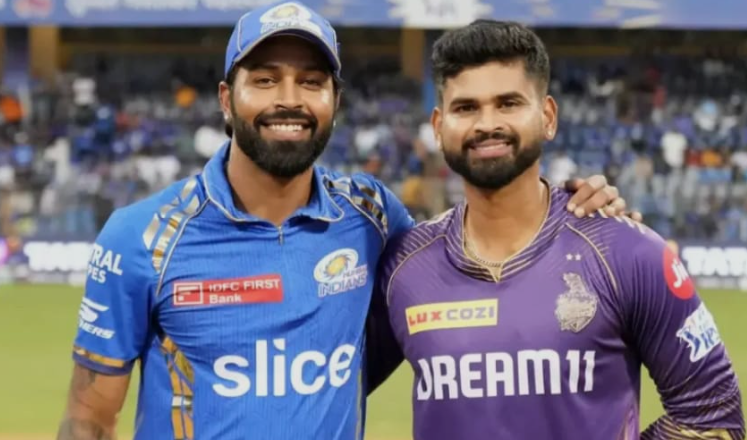
The rivalry between these two teams has grown into one of the most talked about stories in modern cricket. Every meeting brings a mix of pressure, emotion, and high quality competition that keeps fans deeply engaged. From early encounters where one side looked dominant to later seasons where momentum constantly shifted, the timeline reflects changing strategies, evolving squads, and unforgettable performances. Big players have shaped outcomes with match winning spells and explosive batting displays. Each game has added a new chapter to this ongoing battle, making it more than just a fixture but a true sporting contest filled with intensity and drama.
| Date | Venue | First Innings | Second Innings | Winner | Margin | Match Type |
| 20 May 2026 | Kolkata | MI 147/8 | KKR 148/6 | KKR | 4 wickets | League Match |
| 29 March 2026 | Mumbai | KKR 220/4 | MI 224/4 | MI | 6 wickets | League Match |
| 31 March 2025 | Mumbai | KKR 116/10 | MI 117/2 | MI | 8 wickets | League Match |
| 11 May 2024 | Kolkata | KKR 157/7 | MI 139/8 | KKR | 18 runs | League Match |
| 03 May 2024 | Mumbai | KKR 169/10 | MI 145/10 | KKR | 24 runs | League Match |
| 16 April 2023 | Mumbai | KKR 185/6 | MI 186/5 | MI | 5 wickets | League Match |
| 09 May 2022 | Navi Mumbai | KKR 165/9 | MI 113/10 | KKR | 52 runs | League Match |
| Metric | Mumbai Indians | Kolkata Knight Riders | Total |
| Matches Played | 36 | 36 | 36 |
| Matches Won | 25 | 11 | 36 |
| Highest Team Score | 210 | 232 | 232 |
| Lowest Team Score | 108 | 67 | 67 |
| Wins Batting First | 13 | 5 | 18 |
| Wins Chasing Target | 12 | 6 | 18 |
| IPL Championship Titles | 5 | 3 | 8 |
| Player Name | Team | Matches | Innings | Total Runs | Highest Score | Strike Rate |
| Rohit Sharma | MI | 27 | 27 | 940 | 103 | 130.15 |
| Suryakumar Yadav | MI | 14 | 13 | 425 | 85 | 142.61 |
| Gautam Gambhir | KKR | 15 | 15 | 349 | 64 | 118.30 |
| Dinesh Karthik | KKR | 12 | 11 | 298 | 56 | 135.45 |
| Andre Russell | KKR | 14 | 13 | 284 | 80 | 168.04 |
| Kieron Pollard | MI | 21 | 18 | 272 | 51 | 128.91 |
| Nitish Rana | KKR | 11 | 11 | 256 | 54 | 122.48 |
| Bowler Name | Team | Matches | Overs Bowled | Wickets Taken | Best Bowling | Economy Rate |
| Sunil Narine | KKR | 24 | 94.0 | 27 | 4/15 | 6.70 |
| Jasprit Bumrah | MI | 18 | 68.2 | 25 | 5/10 | 6.48 |
| Lasith Malinga | MI | 19 | 74.0 | 20 | 3/25 | 7.11 |
| Piyush Chawla | MI | 15 | 52.0 | 14 | 3/19 | 7.85 |
| Hardik Pandya | MI | 16 | 45.4 | 12 | 2/18 | 8.12 |
| Varun Chakaravarthy | KKR | 10 | 38.0 | 11 | 3/24 | 7.42 |
| Andre Russell | KKR | 14 | 34.1 | 10 | 5/15 | 8.95 |
The beginning of this contest set the tone for a long and competitive cricket journey between two strong IPL sides. One team quickly built a reputation for consistency, star power, and strong leadership, while the other focused on rebuilding with a mix of young talent and experienced overseas players. Early matches showed a clear contrast in playing styles, with one side relying on structured batting depth and the other depending on unpredictable bursts of brilliance. These early games were not just about results but about identity formation. Each encounter added emotional weight, as fans began to treat every meeting as more than just another league fixture. The pressure of expectation slowly grew, especially when close finishes started appearing. Bowlers from both sides experimented with new strategies, while batters learned to adapt to shifting conditions. Over time, these initial clashes created the emotional foundation of a rivalry that would later become one of the most followed in the league.
| Season | Venue | Winner | Margin | Key Highlight |
| Early IPL | Mumbai | Strong side A | 20 runs | Dominant batting display |
| Early IPL | Kolkata | Side B | 5 wickets | Spin control finish |
| Mid season | Mumbai | Strong side A | 15 runs | Death over bowling impact |
| Mid season | Kolkata | Side B | 3 wickets | Chase under pressure |
As seasons progressed, the competition between the two teams started to become more balanced and unpredictable. Early dominance by one side began to face resistance as the other team developed better squad depth and tactical awareness. Matches during this phase often swung multiple times within a single innings, making outcomes difficult to predict until the final overs. Batting units learned to handle pressure situations more effectively, while bowling attacks focused on limiting runs during critical phases. Fielding standards also improved, adding another layer of intensity to each contest. Fans witnessed rising confidence from emerging players who were no longer intimidated by big-match pressure. The emotional stakes increased as each win and loss contributed to a growing sense of rivalry identity. Coaches played a crucial role in adjusting strategies based on pitch conditions and opponent weaknesses, making every encounter a tactical battle rather than just a power game.
| Season Phase | Dominant Skill | Turning Point | Impact Player | Match Trend |
| Early Phase | Batting power | Powerplay control | Top order batter | High scoring |
| Mid Phase | Spin attack | Middle overs control | Lead spinner | Balanced contests |
| Transition | Death bowling | Final over execution | Fast bowler | Close finishes |
| Competitive Phase | All-round play | Tactical flexibility | All-rounder | Unpredictable results |
One of the most memorable turning points came when the underdog side produced a powerful performance that shifted the psychological balance of the rivalry. In this match, early wickets created pressure on the opposition, forcing their middle order into survival mode. A strong batting partnership helped stabilize the innings and pushed the total to a competitive level. The chase, however, was where the real drama unfolded, as disciplined bowling and smart field placements restricted scoring opportunities. The final overs were filled with tension, as boundaries were exchanged with dot balls under mounting pressure. This match is often remembered for its emotional intensity rather than just the result. It gave the winning side belief that they could challenge a traditionally stronger opponent. From this moment, every future encounter carried an added layer of unpredictability and mental pressure, making the rivalry far more competitive and engaging for fans.
| Inning | Team | Score | Key Performer | Result Factor |
| First | Batting side | 160+ | Top order batter | Stable partnership |
| First | Bowling side | Restriction phase | Spinner | Controlled middle overs |
| Second | Chasing side | Pressure collapse | Fast bowler | Wicket bursts |
| Second | Bowling side | Defense success | Captain | Tactical fielding |
After experiencing setbacks, the stronger team responded with a period of dominance driven by leadership stability and experienced match-winners. The batting lineup became more consistent, often setting or chasing challenging totals with confidence. Bowlers executed plans with precision, especially during powerplays and death overs. Key players stepped up in crucial matches, turning tight situations into comfortable victories. This phase highlighted the importance of adaptability, as the team adjusted its strategies based on opposition strengths. The fielding unit also improved significantly, saving runs and creating pressure through sharp catches and run-outs. Momentum played a big role during this period, as early breakthroughs often dictated match outcomes. Fans began to witness more one-sided performances, but even in those games, moments of resistance from the opposition kept the rivalry spirit alive. The psychological edge gained during this phase influenced several future encounters.
| Area | Strength | Key Contributor | Match Impact | Outcome Type |
| Batting | Consistency | Top order | Stable totals | Winning base |
| Bowling | Death overs | Lead pacer | Run control | Defensive wins |
| Fielding | Sharpness | Wicket keeper | Extra wickets | Pressure build |
| Strategy | Flexibility | Captain | Match control | Dominant results |
One of the most fascinating aspects of this rivalry has been the constant tactical battle between spin-heavy strategies and pace-driven aggression. On turning tracks, spin bowlers played a decisive role in controlling the middle overs and restricting scoring opportunities. In contrast, fast bowlers dominated on flatter pitches where bounce and speed created wicket-taking chances. Batters had to constantly adjust their approach depending on match conditions, sometimes opting for cautious accumulation and at other times for aggressive stroke play. Captains played a critical role in reading pitch behavior and adjusting bowling rotations accordingly. This tactical evolution made each match a chess-like contest rather than a pure batting showcase. The ability to switch strategies mid-game often decided outcomes, especially in closely fought encounters. Over time, both teams developed a deeper understanding of each other’s strengths, leading to more nuanced and strategic gameplay.
| Condition | Strategy Used | Key Advantage | Risk Factor | Outcome |
| Spin pitch | Slow bowling | Middle control | Boundaries risk | Tight games |
| Flat pitch | Pace attack | Early wickets | High scoring | Aggressive wins |
| Dew factor | Chasing advantage | Easier batting | Bowling difficulty | Chasing wins |
| Dry surface | Mixed attack | Balanced control | Unpredictability | Close finishes |
Beyond team competition, individual matchups added extra drama and intensity to the rivalry. Star batters often faced elite bowlers in high-pressure situations that tested skill and temperament. Power hitters clashed with death-over specialists, creating moments that defined entire matches. These personal battles became talking points among fans and analysts alike, as each encounter carried its own mini story within the larger game. Some players thrived under pressure, while others struggled to maintain consistency against specific opponents. These individual contests often shifted momentum in crucial phases of the game. Leadership figures also influenced outcomes through strategic decisions, such as bowling changes or batting order adjustments. Over time, these player rivalries became as important as team results, adding emotional depth and long-term narrative value to the competition.
| Player Battle | Strength | Key Moment | Advantage | Result Impact |
| Batter vs Spinner | Aggression | Middle overs duel | Spin control | Momentum shift |
| Finisher vs Pacer | Power hitting | Death overs clash | Pace variation | Match decider |
| Opener vs Swing | Technique | Powerplay battle | Early movement | Early wickets |
| Captain vs Captain | Strategy | Field placements | Tactical depth | Game control |
One of the most unforgettable encounters between these sides came down to a final over finish that kept fans on edge until the last ball. The chasing side required a manageable but tricky target, and the tension built with every delivery. Early wickets had already made the contest unpredictable, and both teams knew that one mistake could decide the outcome. The batting side rotated strike carefully, while the bowling side focused on tight lines and variations. As the match reached its climax, every run became crucial, and field placements grew increasingly aggressive. The final ball brought an explosive reaction from the crowd as the result swung in a split second. Such matches defined the emotional core of this rivalry, proving that no lead is safe until the final delivery. It also highlighted the importance of composure under pressure, where experience often made the difference between victory and defeat.
| Over Phase | Situation | Key Action | Pressure Level | Result Effect |
| Powerplay | Early wickets | Bowling dominance | Medium | Balanced start |
| Middle overs | Run control | Spin restriction | High | Tight scoring |
| Death overs | Chase build | Strike rotation | Very high | Final over finish |
| Last ball | Final delivery | Boundary attempt | Extreme | Match outcome |
Over the years, this rivalry has delivered everything cricket fans expect from top level competition. Close finishes, dominant wins, and individual brilliance have all played their part in shaping its identity. Both teams have learned from each encounter, adapting tactics and building stronger squads with each season. The timeline shows how momentum can shift quickly in cricket, where one performance can change everything. Even today, every new match adds fresh excitement and pressure, ensuring that this rivalry continues to remain a key highlight in the league’s history and future seasons.
| Read Also: Gujarat Titans Vs Punjab Kings Timeline |